

The Glycemia Treatment Journey: Personalised Diabetes Care from Assessment to Follow-Up
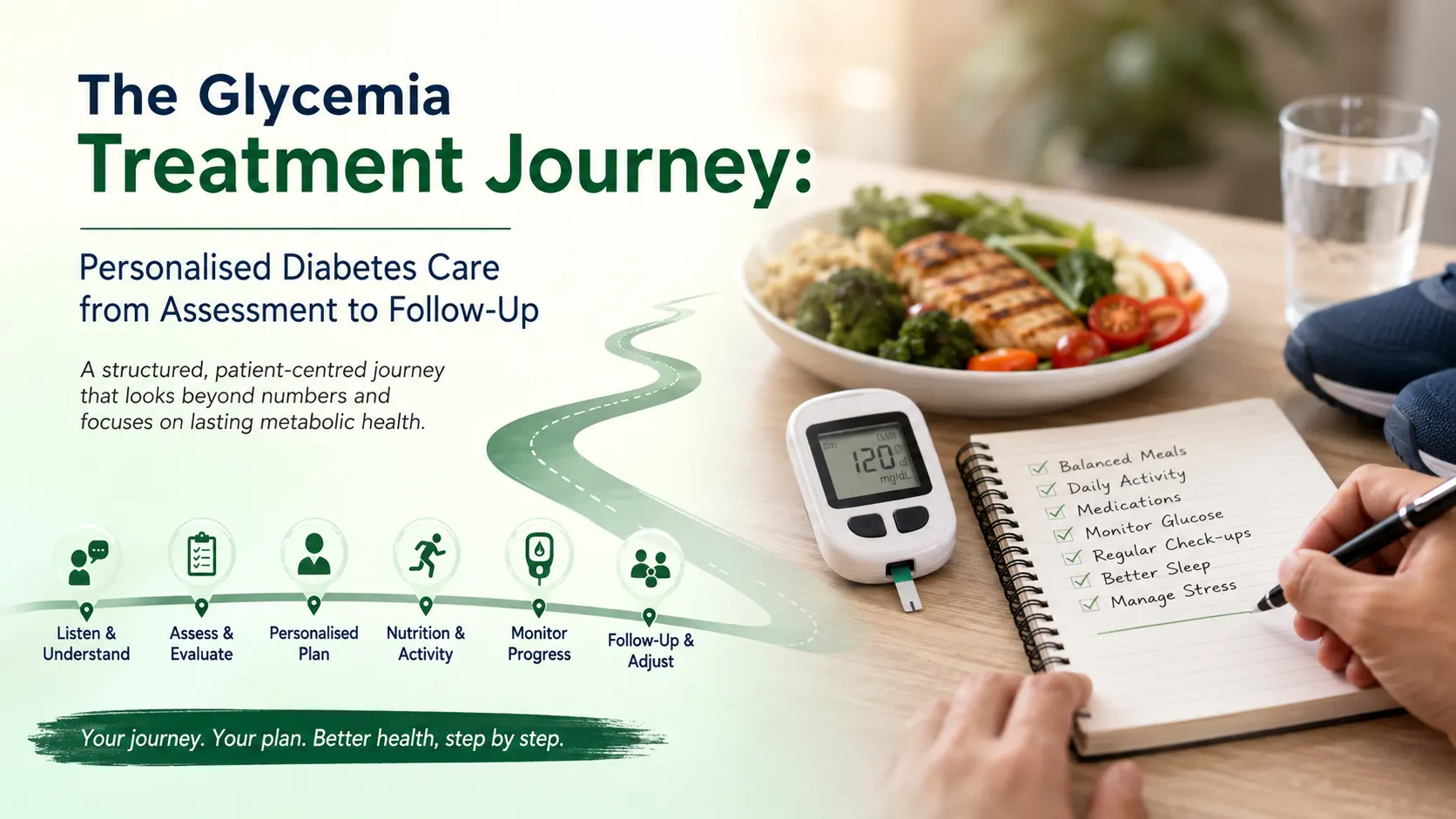

Diabetes treatment works best when it is understood as a journey rather than a one-time prescription. Blood glucose is influenced by pancreatic function, insulin sensitivity, meals, activity, sleep, stress, medicines and other health conditions. The Glycemia treatment journey brings these elements together in a structured programme built around the individual. From the first assessment to continuing follow-up, each stage is intended to create a clearer picture of the patient and a more practical route towards better metabolic health.
The first consultation begins with the history behind the numbers. The clinical team needs to know when diabetes was diagnosed, how glucose has changed, which medicines are being used and what difficulties the patient experiences. Symptoms such as unusual thirst, frequent urination, tiredness, blurred vision, slow healing, tingling or changes in weight may add context. Previous laboratory reports and home glucose records can reveal trends that a single test cannot show.
Daily life is part of this history. Work hours, meal timing, food preferences, sleep, physical activity, stress and family responsibilities all influence what treatment is realistic. A person who travels frequently needs a different plan from someone who eats every meal at home. Glycemia uses this conversation to understand barriers as well as goals. Patients can prepare by bringing current prescriptions, recent reports and a written list of questions.
A baseline shows where the journey is starting. Depending on the person, assessment may include fasting and post-meal glucose, HbA1c, blood pressure, body measurements and review of kidney, liver or lipid reports. The team may also examine symptoms and risk factors related to circulation, nerves, eyes and feet. Not every patient needs every test at every visit. Testing should answer a clinical question and help guide the next decision.
Glycemia also gives attention to the pancreas, insulin production and beta cell health. Beta cells in the pancreas produce insulin, the hormone that helps glucose move from the blood into cells. In type 2 diabetes, insulin resistance and declining beta cell function can occur together. Understanding this relationship helps explain why treatment may need to address more than the glucose number itself. The clinic presents its pancreatic approach on the Glycemia technology page.
After assessment, the findings are translated into a plan. Glycemia focuses on personalised treatment rather than applying the same routine to everyone. The programme may include the clinic treatment approach, nutrition guidance, activity goals, monitoring and scheduled review. Current medical treatment is considered as part of the overall picture. Any medicine reduction or change must be based on monitored response and clinical guidance, never on guesswork.
A good plan identifies priorities. If post-meal readings are the major issue, the first focus may be portion balance, meal composition and movement after meals. If irregular sleep and late eating are driving unstable readings, routine may be addressed first. If a patient has frequent low-glucose episodes, safety and medication review take priority. Personalisation means choosing the right first step, not giving the longest possible list.
Food advice has to fit the patient’s culture, household and budget. Kerala meals can be balanced without treating every familiar food as forbidden. Portion size, frequency and combinations matter. A carbohydrate portion generally has a different effect when eaten with vegetables, protein and fibre than when eaten alone in a large quantity. Sugary drinks, repeated refined snacks and oversized servings can be reduced while meals remain satisfying.
The team can help a patient think through breakfast, workday meals, evening hunger, travel and celebrations. Consistency is often more helpful than extreme restriction followed by overeating. People taking insulin or medicines that can cause low blood glucose need nutrition and activity plans that account for that risk. The aim is a sustainable pattern that supports glucose control and wider health.
Active muscles use glucose, and regular movement can support insulin sensitivity, fitness, mood and sleep. Activity does not have to begin with strenuous exercise. Walking, strength work, mobility exercises and shorter movement breaks can all have a place. The right starting point depends on age, fitness, joint health, heart symptoms, neuropathy and present glucose control. Some people need a medical review before increasing exercise intensity.
A practical plan specifies what, when and how often. For one person it may begin with a gentle walk after a suitable meal. For another it may include structured resistance exercises several times each week. Progress is gradual. Patients using insulin should understand how activity may influence glucose during and after exercise and should discuss monitoring and low-glucose precautions with the clinical team.
Monitoring connects daily actions with outcomes. Home readings can show whether fasting glucose, after-meal glucose or both are changing. A written or digital log becomes more useful when it includes meal timing, activity, sleep, illness and symptoms. The goal is not to test constantly without purpose. It is to collect enough information to identify patterns and support safe decisions.
HbA1c may be reviewed at suitable intervals to understand the broader trend, while blood pressure, weight, waist measurement and other laboratory markers may be followed according to need. Progress can appear in several ways: steadier readings, improved energy, better sleep, reduced waist size or fewer symptoms. A single unexpected reading should prompt investigation, not panic. Repeated patterns deserve attention.
Diabetes is dynamic. Illness, travel, stress, weight change, ageing and new medicines can alter glucose control. Follow-up allows the plan to change with the patient. The team reviews what worked, what was difficult and whether treatment needs adjustment. This is also the time to check adherence, answer questions and reinforce preventive care for the eyes, kidneys, nerves, heart and feet.
Continuity makes these visits more meaningful because each result can be compared with the earlier baseline. The patient and clinical team can see whether a change produced the intended response. Glycemia encourages this ongoing relationship instead of leaving patients to interpret every reading alone. Details of the clinic programme are available on the personalised diabetes treatment page.
Family support can make treatment easier. Shared meals, walking together and respectful reminders help build consistency. Support should not become policing or blame. Glucose changes for many reasons, and criticism can make patients hide difficulties. A better approach is to ask what practical help is needed. Family members may also benefit from learning about diabetes risk, healthy meals and the value of screening.
Glycemia Anti Diabetic Clinic in Kannur combines individual assessment with a focus on root metabolic factors, pancreatic health and beta cell function. Treatment is supported by nutrition, activity, monitoring and continued review. The clinic’s goal is to help people understand their condition and work through an organised programme rather than depend on scattered advice.
Every journey begins at a different point. Someone with newly detected prediabetes needs a different level of care from a person with long-standing diabetes and multiple medicines. The shared principles are careful assessment, personalisation, safety and measurable follow-up. Read the guide to choosing a diabetic clinic in Kannur or visit the appointment page to plan an assessment.