
Choosing the Best Diabetic Clinic in Kannur: A Complete Patient Guide
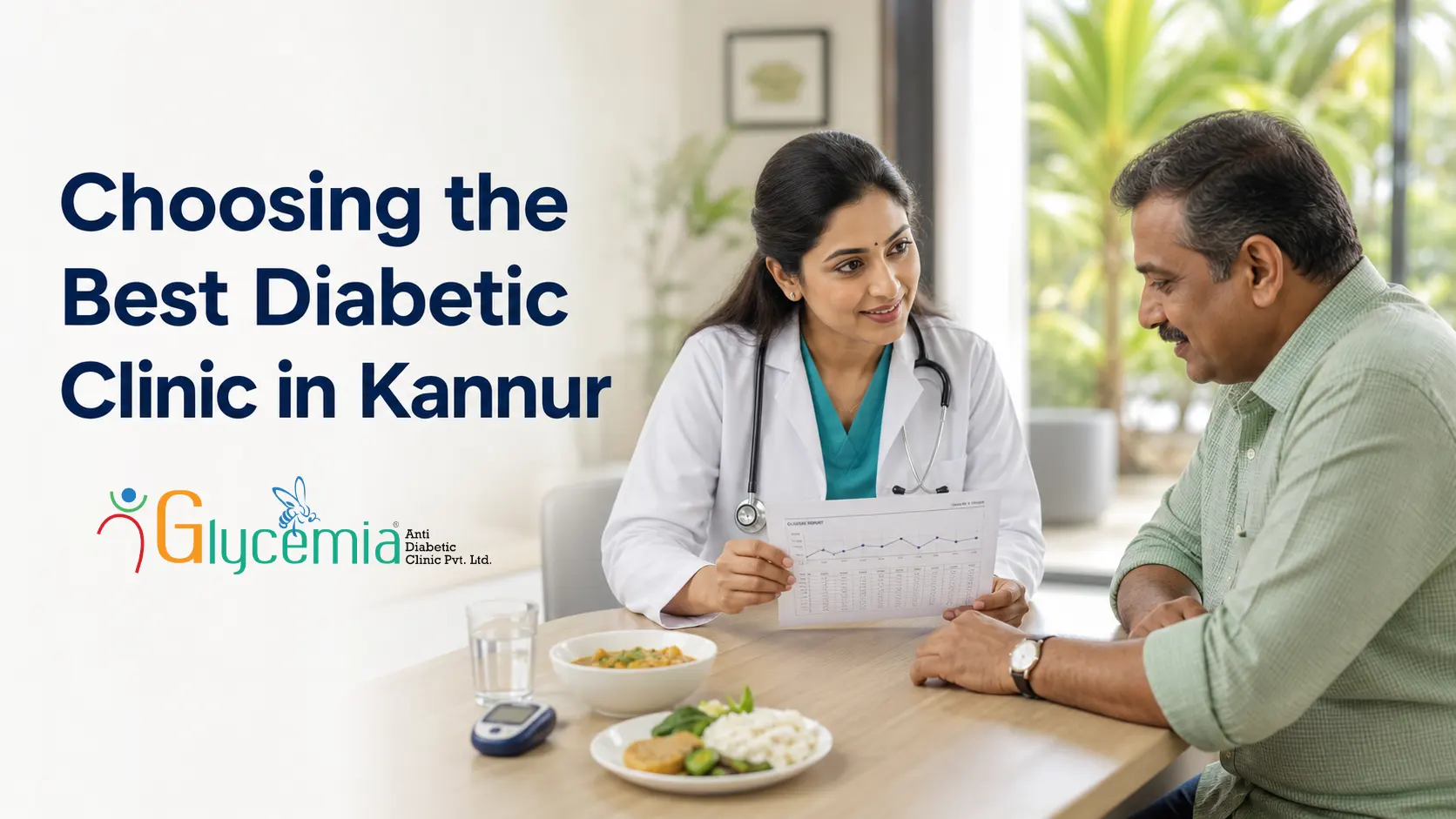

Searching for the best diabetic clinic in Kannur is not simply a matter of choosing the nearest building or the most familiar name. Diabetes affects daily energy, food choices, sleep, circulation, nerves, kidneys, eyes and long-term confidence. A good clinic therefore has to look beyond a single blood sugar reading. It should help each person understand what is happening in the body, identify patterns that can be changed and build a plan that can be followed in real life. Glycemia Anti Diabetic Clinic in Kannur approaches diabetes care with this wider view, combining individual assessment, ongoing monitoring and personalised guidance.
The first expectation should be careful listening. Two people with the same HbA1c result may have very different daily routines, medical histories and treatment needs. One may work night shifts, another may struggle with post-meal glucose, and another may have been taking several medicines for years. A useful consultation explores symptoms, current medicines, meal timing, activity, sleep, stress, family history and previous reports. This creates a meaningful picture instead of reducing the person to a laboratory number.
The next expectation is clear communication. Medical terms such as insulin resistance, fasting glucose, postprandial glucose and beta cell function should be explained in language the patient and family can understand. When people know why a test is requested and how a daily habit influences glucose, they are better prepared to participate in care. A strong clinic does not create fear around food or numbers. It turns information into practical decisions and realistic next steps.
Diabetes care is most effective when it is adapted to the individual. Age, body composition, duration of diabetes, pancreatic function, other health conditions and response to previous treatment all matter. Personalisation also means recognising local food patterns. Advice that ignores rice-based meals, work schedules, family cooking and Kerala eating habits may be difficult to sustain. At Glycemia, the treatment journey is designed around the person rather than forcing every patient into an identical routine.
A personalised plan should still be structured. It may include baseline testing, review of present medicines, nutrition planning, safe activity goals and scheduled follow-up. Progress should be measured with appropriate markers instead of assumptions. Readers can explore the clinic approach on the diabetes treatment page and read this detailed guide to insulin resistance and pancreatic health.
Good diabetes care uses data with context. Fasting glucose gives one part of the picture, while readings after meals can reveal how the body responds to particular portions and combinations. HbA1c offers a broader view of recent glucose exposure, but it does not show every rise and fall. Blood pressure, waist measurement, lipid levels, kidney markers and symptoms can add important information. The purpose of monitoring is not to collect numbers for their own sake. It is to identify patterns and decide what needs attention.
Follow-up is equally important. A plan that looked suitable during the first visit may need adjustment as glucose readings, appetite, activity or medication requirements change. Patients should know when to return, which readings to record and what symptoms require earlier contact. No one should stop insulin or alter prescribed medicine without clinical supervision. Responsible care combines improvement goals with safe review.
Type 2 diabetes often exists alongside high blood pressure, abnormal cholesterol, excess abdominal fat, fatty liver or sleep difficulties. These conditions influence one another. A clinic that concentrates only on sugar can miss opportunities to improve wider metabolic health. Patients benefit when consultations include questions about breathlessness, swelling, numbness, vision changes, sleep quality, digestive health and exercise tolerance. Preventive screening can identify concerns before they become major complications.
A useful food plan is not a list of impossible restrictions. It considers portion size, meal balance, timing and the way foods are prepared. Rice, puttu, appam, dosa, fruits and snacks can affect glucose differently depending on quantity and what accompanies them. Adding vegetables, protein and fibre, reducing sugary drinks and avoiding oversized portions can change the glucose response without making every meal unfamiliar. The right plan also considers kidney function, weight goals, medicines and the risk of low blood sugar.
Information is only the beginning. Lasting improvement comes from repeated actions: taking medicines correctly, planning meals, moving regularly, sleeping consistently, attending reviews and responding early to warning signs. These behaviours become easier when goals are small and measurable. A ten-minute walk after a suitable meal, a consistent breakfast time or a written glucose log may be more useful than a dramatic target that cannot be maintained.
For people living in Kannur and nearby areas, access matters. A clinic is easier to use when the address, opening hours, phone number and directions are clear. Continuity also matters: reports, previous decisions and treatment responses should form part of the next consultation. Patients should not have to restart their story at every visit. You can find practical clinic information and directions on the Glycemia contact page.
Trust grows when the team explains choices, respects questions and gives realistic expectations. Patients deserve to know what a programme includes, what follow-up is expected and how progress will be assessed. They should be encouraged to bring existing prescriptions and laboratory reports. Diabetes care often involves decisions that affect everyday life, so the patient should be an informed participant in those decisions.
Glycemia Anti Diabetic Clinic brings together personalised care, attention to pancreatic and beta cell health, lifestyle guidance and ongoing monitoring. The clinic aims to understand root metabolic problems while tracking blood glucose and overall wellbeing. This combination is relevant for people newly diagnosed with diabetes, those with long-standing type 2 diabetes and individuals who want a more organised review of their present plan.
The clinic also recognises that no single result tells the whole story. A meaningful programme considers the person, the pattern and the response over time. Anyone comparing options for the best diabetic clinic in Kannur can review the Glycemia team and treatment philosophy, read answers to common questions on the diabetes care FAQ page, and arrange a consultation when ready.
Before choosing a clinic, ask whether assessment is personalised, explanations are clear, follow-up is planned and safety is taken seriously. Check whether nutrition advice fits local life, whether wider risk factors are considered and whether you can access the clinic easily. Bring a list of medicines, recent reports, glucose records and the questions that matter most to you. A prepared first visit gives the clinical team better information and helps you receive more focused guidance.
The best choice is ultimately the clinic that combines expertise with careful listening and a plan you can follow. For patients seeking structured, individual diabetes care in Kannur, Glycemia offers a clear place to begin. Use the appointment and directions page to speak with the clinic and plan your visit.