

Understanding Insulin Resistance: How It Starts and How to Rejuvenate Pancreatic Health
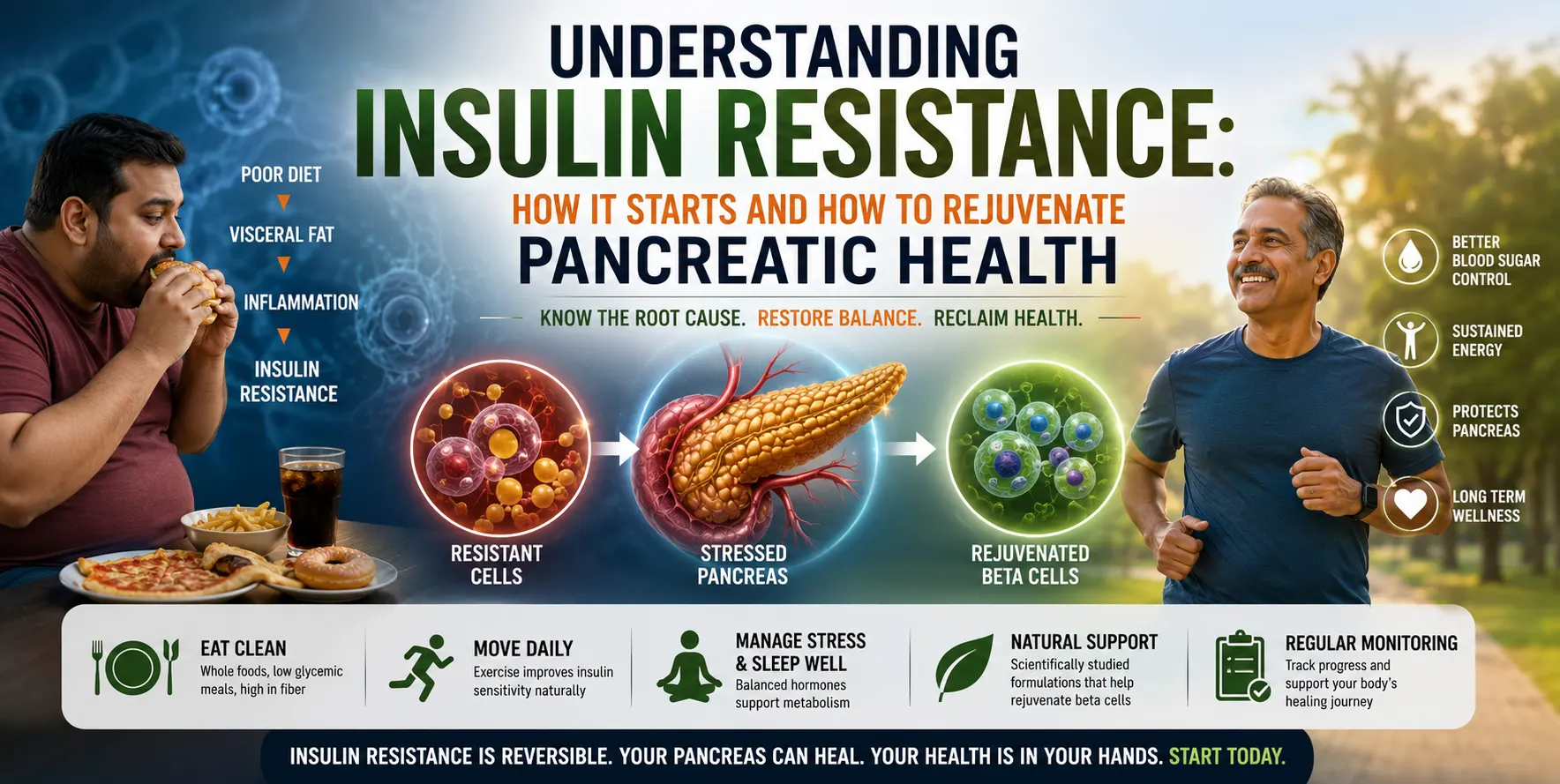

Insulin resistance is one of the most widespread yet poorly understood health conditions of the modern era. It serves as the hidden metabolic foundation for a wide range of chronic diseases, including type 2 diabetes, cardiovascular disease, non-alcoholic fatty liver disease (NAFLD), and polycystic ovary syndrome (PCOS). Despite its critical role in human health, insulin resistance is often called a "silent" condition because it can develop slowly and quietly inside the body for 10 to 15 years before manifesting as high blood sugar or triggering a formal medical diagnosis. During this pre-diabetic phase, individuals may feel perfectly healthy, completely unaware of the metabolic strain their organs are experiencing. By the time blood sugar levels begin to rise, a significant portion of the insulin-producing beta cells in the pancreas may already be damaged or dormant.
To prevent and reverse conditions like type 2 diabetes, we must look beyond simple blood sugar management and understand the molecular processes that drive insulin resistance. It is not enough to just take medications that force blood glucose down; we must address the underlying cellular dysfunction and restore insulin sensitivity. At the Glycemia Anti-Diabetic Clinic, the clinical philosophy centers on identifying and treating this root cause. By combining targeted natural therapies that rejuvenate pancreatic health with evidence-based lifestyle changes, it is possible to reverse insulin resistance and protect the body's natural insulin-producing capacity. This article will provide a detailed look at how insulin resistance starts in the human body, its impact on pancreatic health, and scientific strategies to restore metabolic balance.
To understand insulin resistance, we must first understand how a healthy body processes energy. Every cell in your body requires energy to function, and the primary source of this energy is glucose, a simple sugar derived from the food you eat. When carbohydrates are digested, they enter the bloodstream as glucose, causing blood sugar levels to rise. This rise is immediately detected by the beta cells located in the Islets of Langerhans within the pancreas. In response, the beta cells secrete the hormone insulin into the blood. Insulin acts as a molecular key. It travels through the bloodstream and binds to specific insulin receptors on the surface of your body's cells, particularly muscle, fat, and liver cells. Once insulin binds to these receptors, it triggers a cascade of chemical signals inside the cell, opening up glucose transporter channels (known as GLUT4 channels). Glucose can then flow from the bloodstream into the cell, where it is either burned for immediate energy or stored for future use. As glucose enters the cells, blood sugar levels return to normal, and the pancreas stops secreting insulin.
In a state of insulin resistance, this highly coordinated lock-and-key system breaks down. Although the pancreas produces plenty of insulin, the receptors on the cell surfaces become unresponsive or "deaf" to the hormone. It is as if the lock has been damaged or blocked, and the key (insulin) can no longer turn it. Because the glucose channels fail to open, glucose remains trapped in the blood, leading to hyperglycemia. The pancreas, sensing that blood sugar is still high, responds by producing even more insulin. This leads to a state of hyperinsulinemia, where the body is flooded with insulin. While this excess insulin can force glucose into the cells for a while, keeping blood sugar levels normal, it places a massive metabolic strain on the pancreas and accelerates the decline of pancreatic health.
The development of insulin resistance is a complex, multi-step process driven by a combination of genetic predisposition and modern lifestyle factors. While genetics can influence your baseline susceptibility, environmental factors are the primary triggers. The process typically starts with the accumulation of excess energy, particularly in the form of visceral fat. When we consume more calories than we burn—especially from highly refined carbohydrates, trans fats, and added sugars—our fat cells (adipocytes) eventually become full and cannot store any more energy. As a result, excess fat begins to spill over into organs that are not designed to store fat, such as the liver, skeletal muscles, and the pancreas. This abnormal accumulation of fat in non-adipose tissues is called ectopic fat deposition.
Within the liver and muscle cells, this ectopic fat is broken down into toxic lipid metabolites, such as diacylglycerols (DAGs) and ceramides. These metabolites trigger intracellular stress signaling pathways, activating enzymes like protein kinase C (PKC). These enzymes interfere with the normal signaling cascade of the insulin receptor, effectively blocking the path that allows glucose channels to open. This is the primary cellular mechanism of insulin resistance. Furthermore, hypertrophied (swollen) fat cells secrete pro-inflammatory chemicals called cytokines (such as TNF-alpha and IL-6) while reducing the secretion of anti-inflammatory hormones like adiponectin. This creates a state of chronic, low-grade systemic inflammation that further damages insulin receptors throughout the body. Additionally, chronic physical inactivity reduces the expression of glucose transporter channels in muscle tissue, making it even harder for the body to clear glucose without high levels of insulin.
As insulin resistance worsens, the pancreas bears the brunt of the metabolic burden. To compensate for the cells' lack of responsiveness, the beta cells are forced to work double-time, producing massive amounts of insulin. In the early stages, this compensation is successful, and blood sugar levels remain normal (a phase often missed by standard fasting glucose tests, but detectable by measuring insulin or C-peptide levels). However, this high-output state is unsustainable. Over time, the constant demand for insulin synthesis and secretion leads to severe cellular stress within the beta cells. The endoplasmic reticulum (the cell's protein-building factory) becomes overwhelmed by the volume of insulin it must fold, leading to endoplasmic reticulum stress and the accumulation of misfolded proteins. This stress, combined with the toxic effects of chronic high blood sugar (glucotoxicity) and high fatty acids (lipotoxicity), damages the beta cells' internal structures. The cells begin to lose their unique identity (dedifferentiation) and enter a dormant state to survive. If this state of metabolic overload continues without intervention, the dormant cells eventually undergo programmed cell death (apoptosis), leading to a permanent loss of beta cell mass and the progression to clinical type 2 diabetes.
The good news is that insulin resistance and pancreatic decline are not permanent. Because many of the dysfunctional beta cells are dormant rather than dead, they can be rejuvenated and restored to health if the underlying metabolic stress is removed. Restoring pancreatic health requires a dual approach: increasing the body's sensitivity to insulin and supporting the regeneration of the beta cells. At Glycemia Anti-Diabetic Clinic, this is achieved through a scientifically validated protocol that combines advanced diagnostics with targeted natural therapies. The clinic's treatments utilize natural supplements and formulations that have been evaluated for safety and efficacy by the Amala Cancer Research Center in Thrissur, an institution approved by the Indian Council of Medical Research (ICMR) and the Council of Scientific and Industrial Research (CSIR). These natural therapies work at a cellular level to reduce pancreatic inflammation, clear toxic lipid metabolites from the liver and pancreas, and stimulate the regeneration of dormant beta cells. This allows the pancreas to naturally recover its insulin-producing capacity.
In addition to cellular therapies, patients are guided through targeted lifestyle modifications to improve insulin sensitivity. This includes adopting a whole-food, low-glycemic diet rich in fiber, healthy fats, and lean proteins, which minimizes blood sugar spikes and reduces the demand on the pancreas. Regular physical activity, particularly resistance training and cardiovascular exercise, is also emphasized, as muscle contractions help pull glucose from the blood independently of insulin, giving the exhausted pancreas a much-needed rest. By combining these lifestyle changes with the clinic's specialized regenerative treatments, patients can reverse insulin resistance, protect their beta cells, and achieve long-term metabolic health. If you want to understand your pancreatic health and take steps to restore your metabolism, visit the Glycemia Anti-Diabetic Clinic website or contact their team in Kannur today.