

Strength Training with Diabetes: Building a Safe Beginner Routine
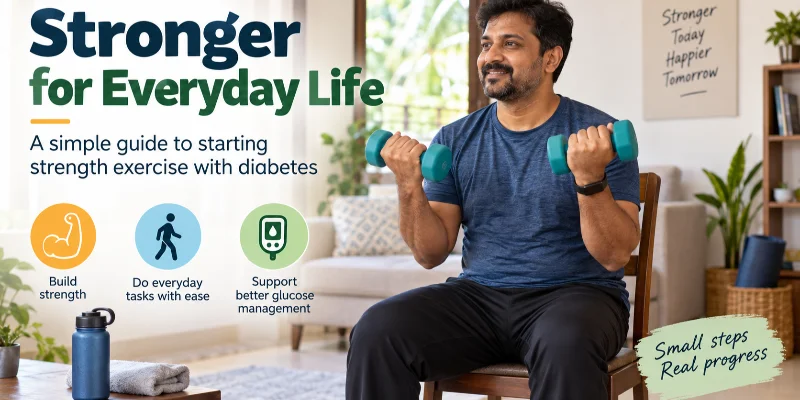

Walking is often the first activity people discuss after a diabetes diagnosis, but strength deserves a place in the conversation too. Getting up from a chair, carrying shopping, and climbing steps all involve muscles working against resistance. A beginner programme can focus on those everyday abilities rather than heavy gym equipment. For someone in Kannur who has never exercised formally, the useful starting point is a routine matched to current health, confidence, and available space. The aim is repeatable movement, with clear guidance about safety and progression.
Resistance exercise asks muscles to work against a load, which may come from body weight, bands, machines, or handheld weights. It can improve strength and support physical function. For people with type 2 diabetes, it can also contribute to better glucose management as part of the overall care plan. The American Diabetes Association guide to resistance exercise describes this type of activity and recommends regular sessions. The appropriate starting level still needs to reflect your health and experience.
Choose a personal reason for becoming stronger. You might want to rise more easily from a low chair, carry a small grocery bag comfortably, or feel more steady during household tasks. A concrete goal is easier to discuss than a broad instruction to "get fit." Tell the professional helping you what currently feels difficult. They can then select movements that relate to that task, rather than giving you a programme based only on your age or a generic exercise chart.
Discuss a new programme with your clinician, particularly if you have heart symptoms, eye disease, neuropathy, foot problems, major joint pain, or a long period of inactivity. Some complications require changes to the type or intensity of exercise. The ADA guidance on exercise with diabetes complications explains why one routine does not suit everyone. A physiotherapist or appropriately qualified exercise professional can help translate those clinical considerations into movements that you can perform safely.
Bring practical details to that discussion. Explain whether you have a stable chair, stairs, floor space, or access to a supervised facility. Mention if getting down to the floor or back up is difficult. A programme that assumes equipment or mobility you do not have is unlikely to last. Ask the professional to watch you perform the proposed movements and correct the technique. Understanding the starting position and range of motion is more useful than simply receiving a printed list of exercise names.
A beginner session may include a small number of suitable movements with light resistance and comfortable rest periods. Examples to discuss include supported chair rises, wall presses, or band exercises. These are possibilities for selection, not a universal prescription. Your instructor should explain the number of repetitions, breathing, and how the movement should feel. Avoid holding your breath or straining to finish a target. Quality and control matter more than completing a large number on the first attempt.
Write the initial plan in ordinary language. "Use the sturdy dining chair with the arms" may be easier to follow at home than an unfamiliar technical term. Record where the feet and hands should be and what support is needed. If you use a band, ask how to inspect and secure it. Keep the exercise area clear of loose rugs and obstacles. A simple setup reduces the number of decisions required each time you practise and makes the routine easier to repeat.
Insulin and some diabetes medicines can increase the risk of low glucose with exercise. Ask your team when to check glucose, what supplies to carry, and what to do if a reading is outside your agreed range. Do not independently change doses to fit a new session. Exercise effects can differ with intensity and timing, so learn your own pattern with guidance. The ADA explanation of glucose and exercise outlines why treatment and activity should be considered together.
For your first sessions, choose a setting where help is available if needed. Keep the agreed low-glucose treatment accessible, and tell an instructor about the relevant parts of your plan. You do not have to share every medical detail with a group. The person supervising should know what assistance might be required and where instructions are kept. If you feel unwell, stop and follow the plan rather than treating completion of the session as more important than your condition.
Ask what should change when the starting routine becomes easier. The answer may involve technique, repetitions, resistance, or another adjustment, but it should be specific to you. Changing everything at once makes it difficult to know what caused discomfort or fatigue. Record one agreed change and observe how it feels over subsequent sessions. Progress does not need to happen every time you exercise. A period of comfortable practice can help establish confidence and consistency before another change is introduced.
Keep a short log containing the date, exercises completed, resistance used, and any symptoms or difficulty. This gives your instructor useful information at a review. Avoid comparing the numbers with a younger relative or someone who has trained for years. A programme should be judged against your starting point and daily goals. Being able to perform a movement more smoothly or with less assistance may be meaningful progress even if the weight used has not changed.
Ask how to space sessions and what level of muscle discomfort is expected when beginning. Sharp pain, chest discomfort, faintness, or unusual breathlessness should not be treated as proof of a productive workout. Stop and seek appropriate medical advice; severe or concerning symptoms need urgent assessment. If joint pain repeatedly follows a movement, request a technique or programme review. Continuing an unsuitable exercise because it appears on a chart is not a useful measure of determination.
Schedule the routine where it fits your week. Two realistic opportunities may be easier to maintain than an ambitious plan that conflicts with work or caregiving. Consider the Kerala weather and whether an indoor option is needed during heavy rain or heat. Keep equipment where it can be reached without becoming a trip hazard. These ordinary arrangements are part of programme design. They reduce the friction that can make a safe, useful activity gradually disappear from the calendar.
Strength sessions can sit alongside walking and other enjoyable movement rather than replacing every activity you already do. Your clinician can help define an overall activity target. A short routine should not become permission to remain seated for the rest of the day, but neither should you feel obliged to fill every spare moment with exercise. Aim for a pattern that supports ordinary life. Hobbies, errands, and social activities can also provide reasons to move regularly.
If family members join you, agree that encouragement means respecting the prescribed level. They should not add resistance or extra repetitions as a surprise challenge. A companion can help check the schedule, clear the space, or attend a supervised session with you. For some people, privacy is more comfortable than a group. There is no single best social arrangement. Choose the setting that makes it easier to practise the agreed movements correctly and ask questions when something is unclear.
After several weeks, return to the original everyday goal. Is rising from a chair easier? Do the shopping bags feel more manageable? Share those observations along with the exercise log and any relevant glucose records. Patients in Kannur can use the Glycemia contact page to arrange a diabetes review and discuss suitable activity support. A safe strength routine should be understandable, adaptable, and connected to the life you want to lead, with professional review when health needs or abilities change.