

Sleep and Blood Sugar: Why Better Rest Belongs in Diabetes Care
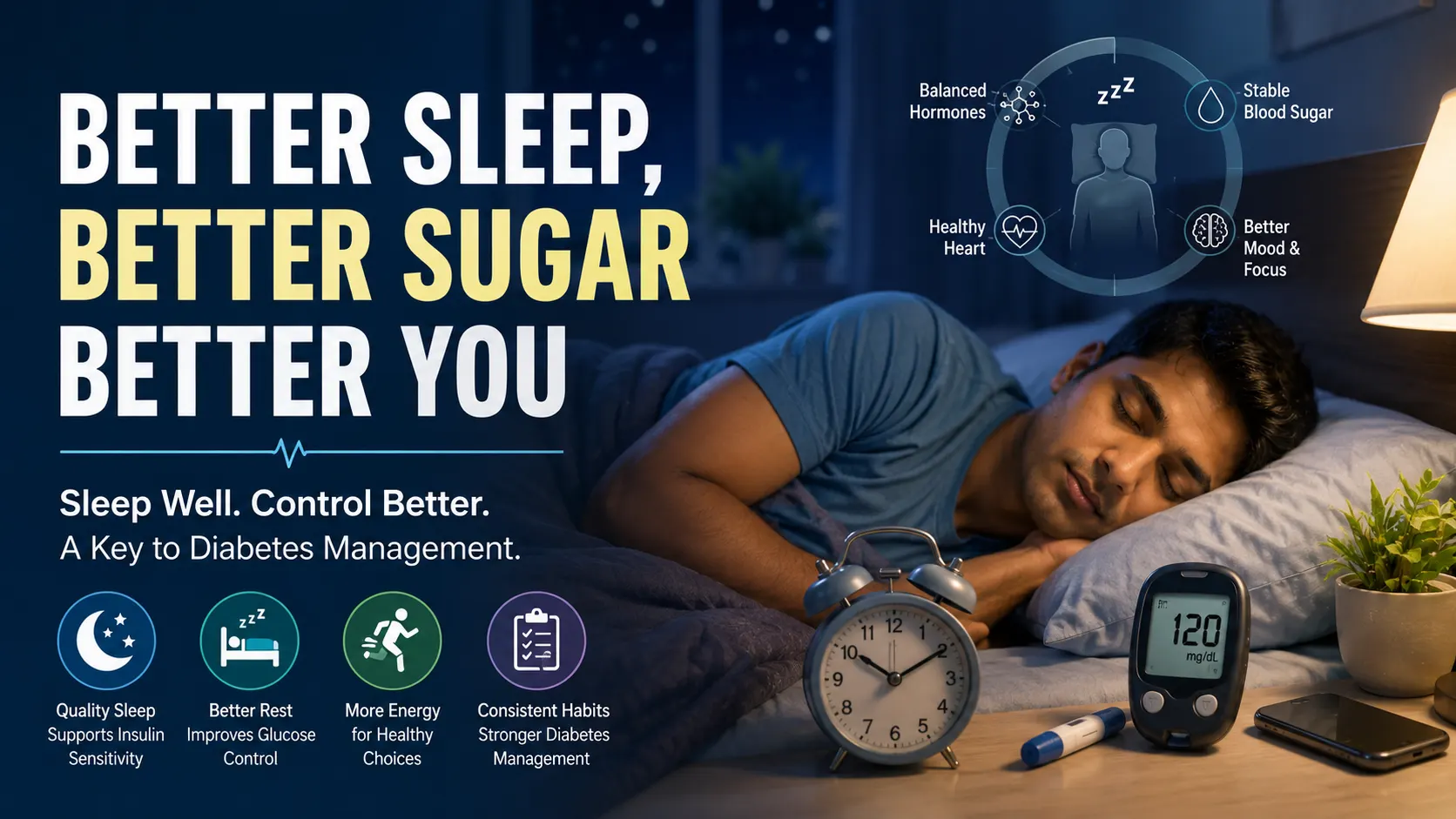

Food, exercise and medicine receive most of the attention in diabetes care, but sleep quietly influences all three. Short, irregular or poor-quality sleep can affect insulin sensitivity, appetite, stress hormones, activity and the ability to follow a treatment routine. Diabetes can also disturb sleep through frequent urination, low or high glucose, nerve discomfort and sleep apnoea. This two-way relationship means that better rest is not a luxury. It is part of a complete metabolic health plan.
During sleep, the body coordinates hormones involved in glucose regulation, appetite, recovery and stress. Repeated sleep loss can make cells respond less efficiently to insulin. It can also increase hunger and preference for quick, energy-dense food. A tired person is less likely to exercise, cook a balanced meal or remember medicine on time. These indirect effects can be as important as the hormonal changes.
One poor night does not create diabetes, and an occasional late event should not cause fear. The concern is a repeated pattern of insufficient or fragmented sleep combined with other risks. Over weeks and months, that pattern can make glucose harder to manage. Improving sleep may not replace medicine or nutrition changes, but it can make the whole plan easier to follow.
High glucose can increase thirst and urination, leading to several night-time bathroom visits. Very low glucose may cause sweating, shaking, nightmares, headache or restless sleep. Pain, burning or tingling from neuropathy can make it difficult to settle. Worry about readings or complications may keep the mind active long after bedtime. Each cause needs a different response.
If night-time symptoms are frequent, record when they occur and discuss them with the clinical team. People using insulin or medicines that can cause low glucose may need targeted monitoring. Do not change doses independently based on one difficult night. Repeated night-time lows can be dangerous and deserve prompt treatment review.
Obstructive sleep apnoea causes repeated narrowing or closure of the airway during sleep. Common clues include loud snoring, witnessed pauses in breathing, choking or gasping, morning headache, dry mouth and excessive daytime sleepiness. It is more common with abdominal weight gain but can occur in people of different sizes. Sleep apnoea is linked with blood pressure and metabolic problems.
A person with these signs should seek assessment rather than trying only to sleep longer. Time in bed does not correct repeated breathing interruptions. Diagnosis may require a sleep study, and treatment depends on the cause and severity. Addressing sleep apnoea can improve alertness and may support glucose and blood pressure management.
The body responds well to regular timing. Aim to wake at a similar time each day and create a bedtime that allows adequate rest. Large weekend shifts can make Monday feel like travel across time zones. Shift workers may not be able to follow a conventional schedule, but a protected sleep block, a dark quiet room and planned meal timing can still improve consistency.
Do not move bedtime dramatically in one night if the present routine is very late. Shift it gradually. A simple wind-down period signals that the active day is ending. Dim lights, finish urgent tasks, reduce stimulating content and prepare medicines or next-day meals before entering bed. The routine should be repeatable, not elaborate.
A very heavy late meal can affect post-meal glucose, reflux and comfort. Going to bed extremely hungry can also disturb sleep and may be unsafe for someone at risk of low glucose. The right evening meal and timing depend on treatment, readings and routine. Alcohol can make sleep fragmented and can complicate glucose safety, especially with insulin or certain medicines.
Caffeine can remain active for hours. People who struggle to fall asleep can test whether reducing tea, coffee or energy drinks later in the day helps. Sugary drinks near bedtime add glucose without solving sleep problems. Water needs should be balanced with the effect of drinking a large volume immediately before bed.
Morning daylight helps set the body clock. Daytime physical activity supports sleep quality for many people and improves glucose use. A walk after an appropriate meal can serve both goals. Very intense late-night exercise may make some people feel alert, while gentle stretching may help others relax. Notice your response and choose timing that can be maintained.
If glucose is very high, very low or accompanied by illness, exercise decisions may need clinical guidance. Foot wounds, severe neuropathy and heart symptoms also change what activity is safe. Sleep improvement should work with the diabetes plan, not compete with it.
Phones are not harmful merely because they are phones, but bright light, endless scrolling and emotionally intense content can delay sleep. Set a practical stopping point or keep the device away from the pillow. If the mind is busy with unfinished tasks, write a short list for tomorrow. This gives worries a place to go without trying to solve everything in bed.
Relaxation can include slow breathing, prayer, quiet reading or a brief body scan. The technique matters less than regular practice. If anxiety, depression or persistent insomnia continues, professional support is appropriate. Sleep difficulty is a health concern, not a personal weakness.
A simple two-week record can include bedtime, wake time, night awakenings, morning glucose, evening meal time, activity and notable symptoms. Look for repeated connections. Does late eating coincide with higher fasting readings? Does walking improve sleep? Are low readings appearing after unusually active days? The record becomes useful when it leads to a specific question.
Consumer sleep devices estimate sleep and may help show routine, but they do not diagnose every sleep disorder. How rested you feel, whether you snore and whether daytime sleepiness affects safety are also important. Bring relevant observations to the consultation.
A poor night often leads to more caffeine, less movement and irregular eating. Instead of trying to repair everything at once, protect the next meal, take medicines as directed and use daylight and gentle activity to support alertness. Avoid driving when dangerously sleepy. Keep naps short enough that they do not push bedtime much later.
If poor nights are frequent, the answer is not simply stronger discipline. Review pain, urination, glucose patterns, breathing, mood, medicines and the sleep environment. Finding the cause is more effective than repeatedly forcing an earlier bedtime.
Glycemia’s personalised approach considers the daily factors that influence glucose, including sleep, meals, activity and stress. When fasting readings remain difficult despite consistent food and medicine, sleep patterns can provide missing context. The Glycemia treatment programme explains how individual assessment and follow-up are organised.
Begin with one change: a regular wake time, an earlier wind-down, less late caffeine or a conversation about snoring. Review the effect rather than expecting instant perfection. For help connecting sleep symptoms with your diabetes plan, arrange a consultation through the Glycemia contact page and review how to understand your HbA1c pattern.