

Diabetes and Fatty Liver: Understanding the Two-Way Metabolic Connection
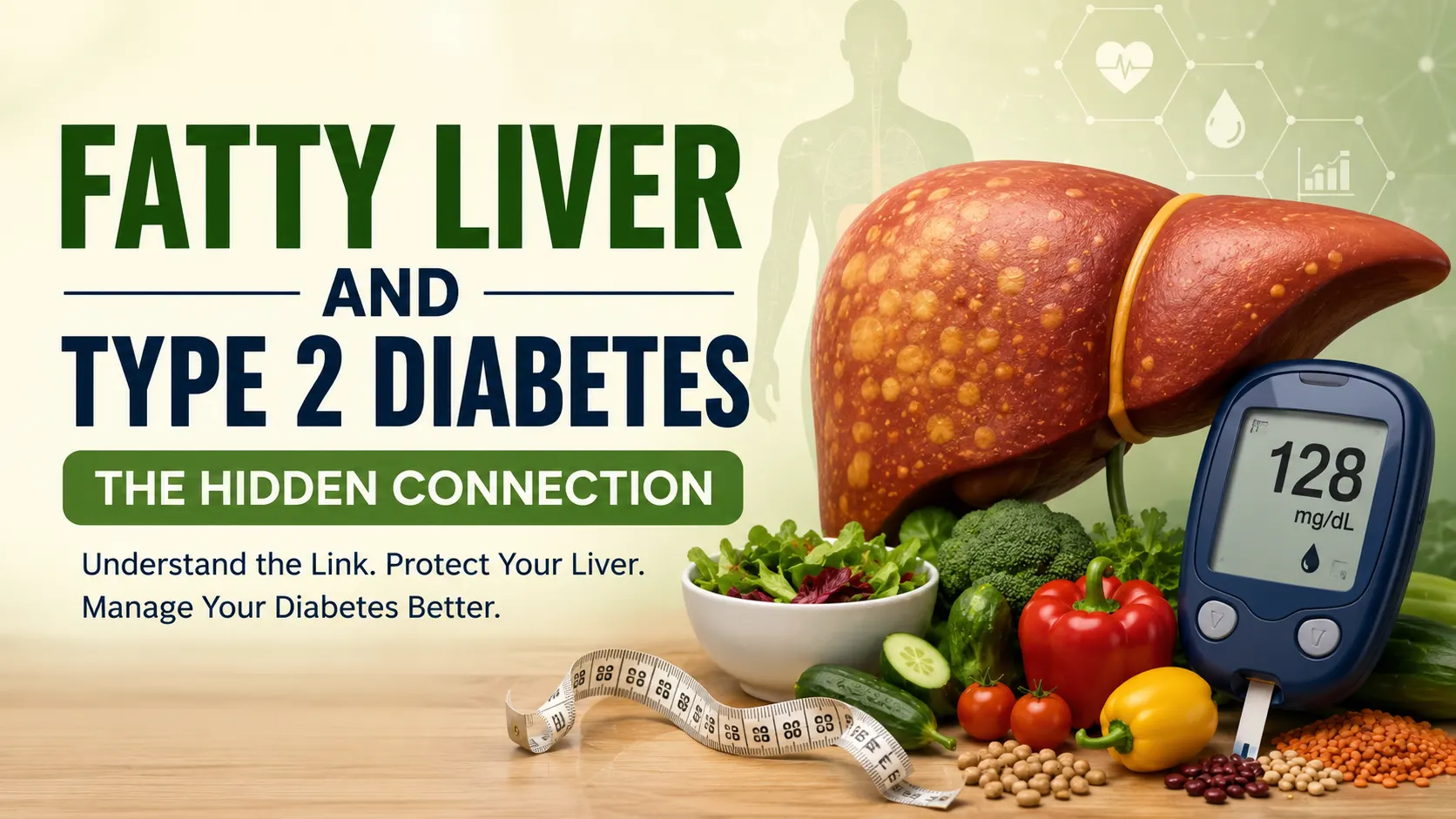

Type 2 diabetes and fatty liver frequently occur together because they share important metabolic roots. Fatty liver means excess fat has accumulated inside liver cells. The newer medical term metabolic dysfunction-associated steatotic liver disease highlights its close relationship with insulin resistance, abdominal weight gain, abnormal blood fats and high glucose. Many people discover it during a scan or blood test performed for another reason because early fatty liver often causes no clear symptoms.
The liver stores and releases glucose so the body has energy between meals and during sleep. Insulin normally helps regulate this release. When the liver becomes insulin resistant, it may continue sending glucose into the bloodstream even when enough is already present. This contributes particularly to high fasting glucose. At the same time, excess energy can be converted and stored as liver fat.
The relationship can move in both directions. Insulin resistance encourages fat accumulation in the liver, while a fatty and inflamed liver can worsen insulin resistance and metabolic control. Type 2 diabetes also raises the likelihood that fatty liver may progress to inflammation and scarring. This is why liver health deserves attention as part of diabetes care rather than being treated as an unrelated scan finding.
Risk is higher with excess abdominal fat, type 2 diabetes, high triglycerides, low levels of protective HDL cholesterol, high blood pressure and limited physical activity. Rapid weight gain, sleep apnoea and some medicines can contribute. People can still develop fatty liver without obvious obesity, particularly when they have visceral fat, low muscle mass or strong genetic risk.
Alcohol intake must be discussed honestly because it can also cause or worsen liver injury and changes the way clinicians interpret fatty liver. Viral hepatitis and other liver conditions need to be considered. A scan showing fat does not identify every possible cause, so medical assessment is important.
Many people feel normal. Some report tiredness or discomfort on the upper right side of the abdomen, but these symptoms are not specific. Liver enzymes can be normal even when fat or scarring is present, and mildly abnormal enzymes do not automatically show the severity. Ultrasound can identify fat but has limits. Depending on risk, clinicians may use blood-based scores, specialised imaging or referral to assess fibrosis.
Warning signs such as yellowing of the eyes, swelling of the abdomen or legs, vomiting blood, black stools, confusion or severe weakness require urgent medical evaluation. These are not typical early fatty liver symptoms and may indicate advanced liver disease or another serious problem.
Better glucose control reduces metabolic pressure, but treatment should consider the entire risk profile. HbA1c, fasting and after-meal readings, triglycerides, blood pressure and waist size help create a broader picture. Some diabetes medicines have effects on weight and liver fat that may influence clinical selection, while other medicines may need review in advanced liver disease. These decisions belong with the treating clinician.
Patients should avoid stopping medicines or taking unverified liver cleanses. Herbal and nutritional products can interact with treatment or affect the liver, even when labelled natural. Share every supplement with the clinical team. A safe plan is based on diagnosis, monitoring and measured response.
The liver is affected by overall energy balance and food quality. Reducing sugary drinks is especially useful because they deliver concentrated sugar without much fullness. Frequent sweets, refined snacks and oversized portions can also add excess energy. Meals built around vegetables, pulses, appropriate protein, fibre-rich foods and controlled portions support both glucose and liver goals.
There is no single compulsory fatty liver menu. The best pattern depends on kidney function, medicines, body weight and cultural food preferences. Kerala meals can be adjusted by reducing the dominant starch portion, increasing vegetables, choosing suitable protein and limiting repeated fried or sweet items. Consistency across the week matters more than one perfect meal.
Regular aerobic activity and resistance exercise can reduce liver fat and improve insulin sensitivity. Walking is a practical starting point, and strength work helps protect muscle. Breaking up prolonged sitting adds movement without requiring a long workout. Patients should increase activity gradually and seek guidance when heart symptoms, neuropathy, joint disease or foot problems limit exercise.
For those with excess weight, gradual sustained weight reduction can improve fatty liver. Larger safe reductions may be needed to improve inflammation or scarring risk, but extreme crash diets are not the answer. Rapid unsupervised weight loss can be difficult to maintain and may be unsafe in some situations. A structured plan protects nutrition and muscle.
Obstructive sleep apnoea is common in people with abdominal obesity and metabolic disease. Loud snoring, pauses in breathing, morning headaches and daytime sleepiness deserve attention. Poor sleep can worsen appetite, glucose and activity patterns. Treating a sleep disorder can support the wider metabolic plan, even though it is not a replacement for nutrition or medical care.
Fatty liver, diabetes, high blood pressure and abnormal cholesterol often travel together. Their combined importance extends beyond the liver. They can increase long-term cardiovascular and kidney risk, which is why blood pressure, lipid management, smoking status and kidney screening belong in the same conversation. Treating each result in isolation can miss the shared metabolic pattern.
Ask which risk factor should be addressed first and how progress will be measured. A plan may prioritise glucose safety, blood pressure, weight, triglycerides or smoking cessation according to urgency. Coordinated priorities make treatment clearer and reduce the feeling of managing several unrelated diseases.
Monitoring may include liver enzymes, platelet count, glucose, lipids and periodic assessment of fibrosis risk. The frequency depends on baseline findings and other conditions. A person with simple fat accumulation has a different follow-up need from someone with suspected inflammation or scarring. Clear documentation allows changes to be recognised rather than treating every report as a new event.
A good review asks whether weight, waist, glucose, triglycerides and liver markers are moving together. If one measure improves while another worsens, the plan may need adjustment. The purpose is not merely to make a scan look better; it is to reduce the chance of liver, heart and diabetes complications over time through consistent, coordinated care.
Glycemia’s personalised diabetes care considers insulin resistance, pancreatic function, nutrition, activity and monitoring. For a patient with fatty liver, this joined-up view is valuable because the same metabolic factors influence both conditions. The Glycemia treatment page explains the programme, while the guide to insulin resistance explains a shared metabolic driver.
If you have diabetes and a scan showing fatty liver, bring the scan, liver reports, medicine list and recent glucose results to your appointment. Do not wait for liver symptoms before asking questions. Use the Glycemia contact page to arrange an assessment in Kannur and build a plan that addresses glucose and liver health together.