
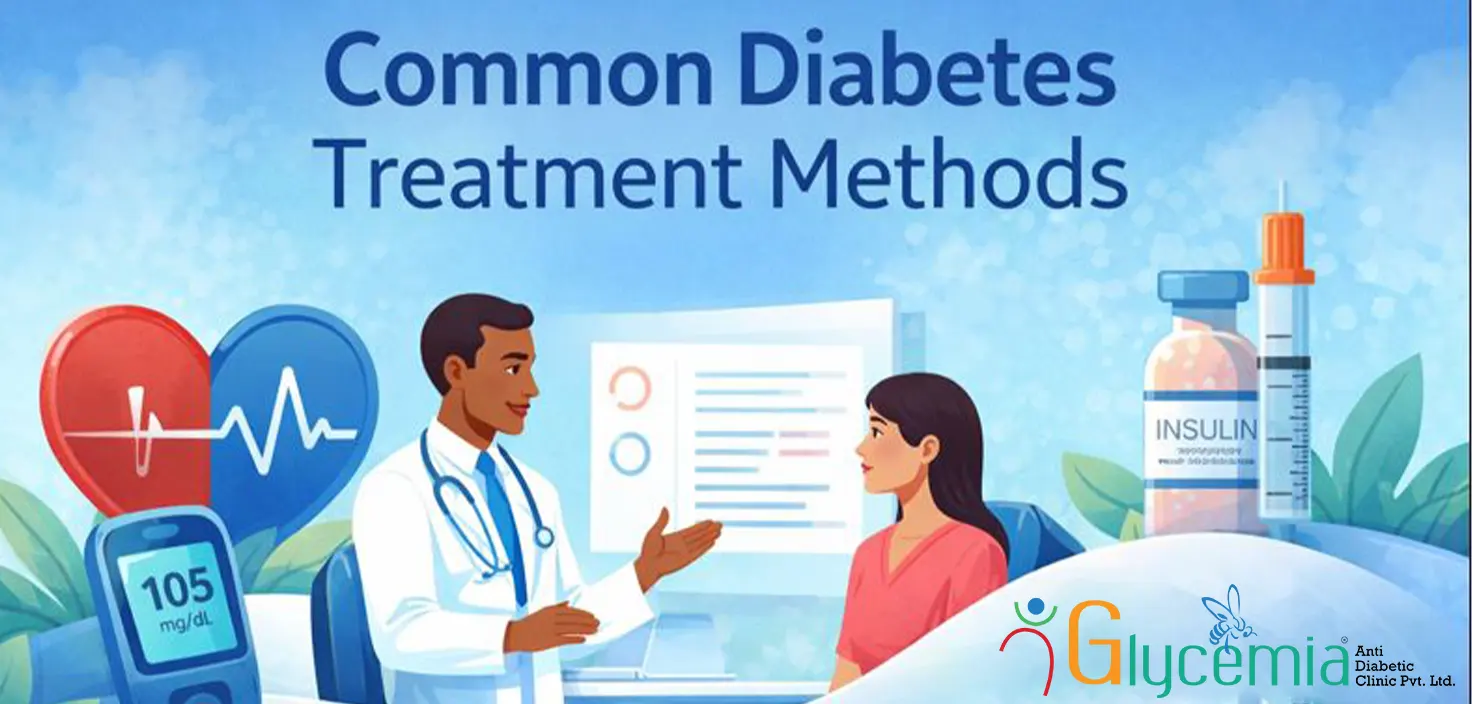
Common Diabetes Treatment Methods — What Patients Should Know

Diabetes is a group of metabolic disorders characterized by high blood sugar (glucose) levels over a prolonged period. Managing diabetes effectively requires a combination of lifestyle adjustments, medications, monitoring, and — increasingly — newer therapies that target the underlying biology of the disease. This blog walks through the most common diabetes treatment methods, how they work, and what people should consider when choosing a path forward. At the end, we’ll briefly explain how Glycemia Anti Diabetic Clinic in Kannur, Kerala, is focusing on a regenerative approach that targets beta cell recovery.
For almost every person with diabetes or prediabetes, lifestyle change is the first and most essential step.
Diet: Eating a balanced diet that controls carbohydrate intake and emphasizes whole grains, legumes, vegetables, lean proteins, healthy fats, and fiber helps control blood sugar spikes. Many clinicians recommend a focus on low glycemic index foods and portion control.
Physical activity: Regular exercise improves insulin sensitivity, helps with weight management, and reduces cardiovascular risk. A combination of aerobic activity (walking, cycling) and resistance training (weights, bodyweight) is ideal.
Weight loss: For people with type 2 diabetes, modest weight loss (5–10% of body weight) often leads to significant improvements in blood glucose control.
Sleep and stress management: Poor sleep and chronic stress can worsen blood sugar control. Techniques such as sleep hygiene, mindfulness, and stress-reduction activities support overall management.
Lifestyle interventions are low-risk, widely beneficial, and often dramatically improve medication effectiveness.
When lifestyle changes aren’t enough to keep glucose in range, physicians commonly prescribe oral (pill) medicines. Some major classes:
Metformin: Usually the first-line medication for type 2 diabetes. It reduces glucose production by the liver and improves insulin sensitivity.
Sulfonylureas and meglitinides: Stimulate the pancreas to produce more insulin. Useful but can sometimes cause low blood sugar (hypoglycemia).
DPP-4 inhibitors: Help incretin hormones work longer to stimulate insulin release when needed and reduce glucagon.
SGLT2 inhibitors: Cause the kidneys to excrete excess glucose in the urine. They also show cardiovascular and kidney benefits in many patients.
Thiazolidinediones (TZDs): Improve insulin sensitivity, though they carry potential side effects for some people.
Choice of agent depends on blood glucose patterns, weight, cardiovascular and kidney health, cost, side-effect profile, and patient preferences.
Injectable treatments play a crucial role for many patients.
Insulin: Absolute requirement for type 1 diabetes and often needed in advanced type 2 diabetes. Regimens vary from multiple daily injections to long-acting basal insulins combined with mealtime (bolus) insulin.
GLP-1 receptor agonists: Injected drugs that mimic incretin hormones; they increase insulin secretion when glucose is high, slow gastric emptying, and support weight loss. They are increasingly used for type 2 diabetes and have cardiovascular benefits.
Combination approaches: Some patients benefit from combining insulin with GLP-1 receptor agonists to improve control and reduce insulin doses.
Modern insulin formulations and delivery systems (pens, pumps, smart pens) make insulin therapy more flexible and user-friendly than ever.
Monitoring blood glucose is essential for adjusting treatment and avoiding hypoglycemia.
Self-monitoring of blood glucose (SMBG): Traditional fingerstick testing remains useful for many, especially around meal times and during illness.
Continuous glucose monitors (CGMs): Provide near real-time glucose trends and alerts for highs and lows. CGMs are changing how diabetes is managed by giving patients and clinicians a continuous picture of glucose behavior.
Better data leads to better treatment decisions and fewer complications.
Technologies are rapidly changing diabetes care.
Insulin pumps and automated insulin delivery: Pumps that deliver basal insulin and bolus doses can be paired with CGMs to form “hybrid closed-loop” systems that automatically adjust insulin delivery.
Digital health tools: Apps and telemedicine platforms help with dose calculations, diet tracking, remote clinician visits, and adherence.
Wearables and integrated care: These tools support personalized, data-driven management.
For some people, particularly with severe obesity and uncontrolled type 2 diabetes, procedures can be effective.
Bariatric surgery: Can produce dramatic improvements and sometimes remission of type 2 diabetes, especially when done earlier in the disease course.
Pancreas and islet transplantation: These are options in select, severe cases (often for type 1 diabetes) but involve immunosuppression and are limited by donor availability.
Research is advancing beyond symptom control toward modifying or reversing disease processes.
Cell therapies and islet transplantation research: Aim to replace or protect insulin-producing beta cells.
Beta cell regeneration strategies: Experimental approaches attempt to stimulate the body to regenerate or restore functioning beta cells.
Immunotherapies (for type 1): Seek to halt the autoimmune attack that destroys beta cells.
These approaches are at different stages of research and clinical trials. While promising, they are not yet widely available as standard-of-care for most patients.
Diabetes treatment must be individualized. Age, type of diabetes, duration of illness, comorbid conditions (heart disease, kidney disease), lifestyle, and patient goals all guide therapy decisions. Regular follow-up and patient education are critical — diabetes is a chronic condition that benefits from a collaborative, long-term care plan.
Glycemia Anti Diabetic Clinic, based in Kannur, Kerala, focuses on combining established diabetes management with newer regenerative ideas. Rather than only concentrating on blood sugar control, Glycemia places emphasis on therapies and protocols aimed at beta cell regeneration — the idea of restoring the pancreas’s own insulin-producing cells. While regenerative diabetes care is still evolving globally, Glycemia’s approach represents an important direction in diabetes medicine: treating the underlying cause, not just the symptoms. Patients interested in cutting-edge, holistic diabetes care may find value in discussing regenerative-focused options with clinics like Glycemia, while also maintaining standard, evidence-based treatments and regular medical follow-up.