
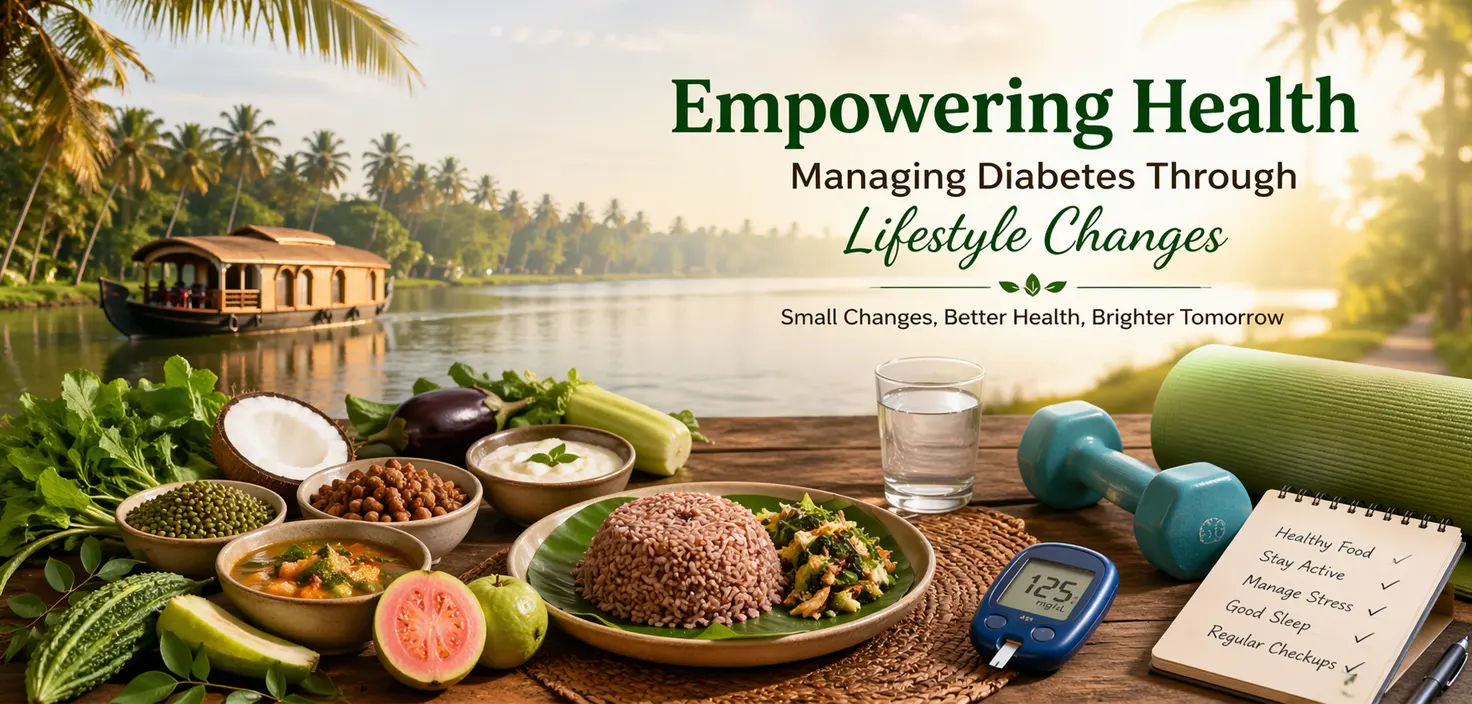
Empowering Health: Managing Diabetes Through Lifestyle Changes in Kerala

Diabetes is no longer a rare condition—it has become a part of daily life for many families across Kerala. With changing food habits, sedentary lifestyles, and increasing stress levels, more people are being diagnosed with high blood sugar at a younger age. While medications play an important role, long-term diabetes control depends heavily on how you live your daily life.
At Glycemia Anti Diabetic Clinic, the focus goes beyond temporary sugar control. The approach emphasizes correcting lifestyle patterns and supporting the body’s natural ability to regulate blood sugar more effectively. This blog explores how practical lifestyle changes—especially those rooted in Kerala’s culture—can help manage diabetes in a sustainable way.
Diabetes is a chronic metabolic condition where the body either does not produce enough insulin or cannot use it efficiently. This leads to elevated blood glucose levels, which, if uncontrolled, can affect the heart, kidneys, nerves, and eyes.
In Kerala, certain lifestyle patterns contribute significantly to the rising number of diabetes cases:
While genetics plays a role, lifestyle is often the deciding factor in whether diabetes develops or worsens.
Food is at the center of diabetes management. The traditional Kerala diet has many strengths, but modern modifications have increased its glycemic load.
Instead of completely avoiding carbohydrates, the focus should be on choosing the right type:
Traditional foods like puttu made with red rice flour or ragi dosa can be healthier alternatives when portion sizes are controlled.
Low Glycemic Index (GI) foods release sugar slowly into the bloodstream, preventing spikes. Fortunately, many Kerala ingredients naturally fall into this category.
Even popular dishes like avial, thoran, and sambar can be diabetes-friendly when prepared with less oil and more vegetables.
Many people believe eating “healthy food” is enough. However, even healthy foods can raise blood sugar if eaten in excess.
A simple Kerala-style plate method can help:
This balance ensures steady energy without sudden glucose spikes.
In earlier times, daily life in Kerala involved natural physical activity—walking, farming, household chores. Today, most people spend long hours sitting.
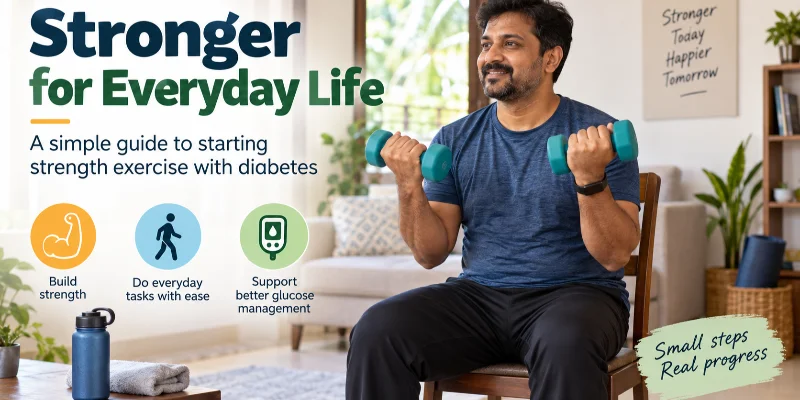
Regular exercise improves insulin sensitivity and helps the body use glucose effectively.
Consistency matters more than intensity. Even moderate activity, when done regularly, can significantly improve blood sugar levels.
Stress is often overlooked but plays a major role in diabetes. When stress levels rise, the body releases hormones that increase blood sugar.
In Kerala’s busy urban life, stress comes from work pressure, financial concerns, and lack of time.
Even 10–15 minutes of daily relaxation can make a noticeable difference.
Poor sleep disrupts hormonal balance and increases insulin resistance. Many people today sleep late due to screen usage or irregular routines.
Quality sleep is not a luxury—it is essential for metabolic health.
Occasional consumption may not be harmful, but frequent or excessive drinking can cause unpredictable blood sugar fluctuations.
Smoking significantly increases the risk of complications in people with diabetes, including heart disease and poor circulation.
Quitting smoking is one of the most powerful steps toward better health.
Kerala has one of the highest diabetes rates in India. Despite good healthcare access, many individuals struggle with long-term control.
The reason is simple:
Medication alone cannot fix lifestyle-driven problems.
At Glycemia Anti Diabetic Clinic, the approach focuses on identifying and correcting the root causes:
By addressing these factors, individuals can experience better blood sugar stability and improved overall health.
Here’s a simple Kerala-friendly daily structure:
Morning
Mid-Morning
Lunch
Evening
Dinner
Consistency with such a routine can bring noticeable improvements.
Managing diabetes is not about temporary dieting or short-term fixes. It is about creating a lifestyle that supports long-term health.
Small, consistent changes can lead to:
At Glycemia Anti Diabetic Clinic, the emphasis is on guiding individuals through this transformation with personalized care and a focus on lasting results.
Diabetes management is not complicated—but it does require commitment. Kerala’s traditional foods, when used wisely, combined with active living and mindful habits, can form a powerful foundation for controlling blood sugar.
By making informed choices every day—what you eat, how you move, how you sleep—you take control of your health.
Lifestyle is not just a part of diabetes management.
It is the foundation of it.