High Morning Glucose: Understanding Patterns Before Changing Your Dinner
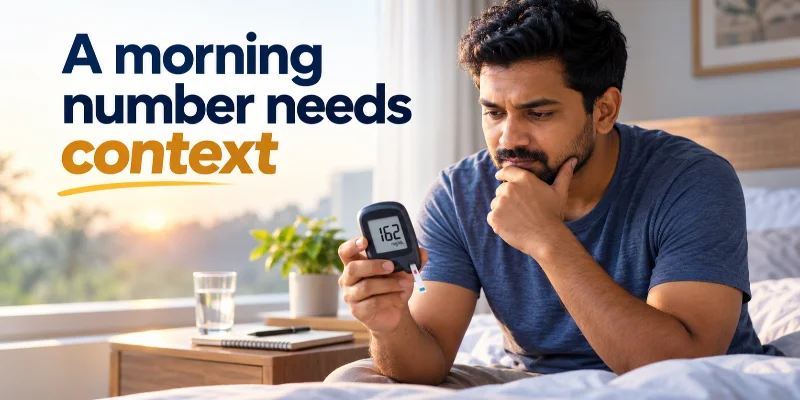

A high reading before breakfast can be frustrating, particularly when you believe you ate carefully the evening before. It is tempting to blame dinner immediately or skip breakfast to compensate. However, morning glucose reflects more than the last meal. Overnight physiology, medication timing, illness, sleep, and other factors may contribute. Understanding the pattern is more useful than guessing its cause from one number. The aim is to collect the information your clinician needs and follow an agreed response plan. You should not have to experiment with nighttime medication doses or wake repeatedly for checks without a clear clinical reason.
The dawn phenomenon refers to an early-morning glucose rise associated with normal hormonal changes. In diabetes, the body's response may not adequately keep the rise within range. It can occur in different diabetes types, but it is not the explanation for every high morning result. Other possibilities include the treatment pattern, late food intake, or an intercurrent illness. Your clinician may use selected overnight checks or CGM data when appropriate. Do not decide that the dawn phenomenon is present solely because the breakfast-time reading was high.
Clarify what you are measuring. A home reading after waking is not automatically a diagnostic fasting laboratory test, especially if you ate or drank something during the night. Record whether the check was before food and what time you woke. If a laboratory fasting test is planned, follow its instructions and ask about medicine timing. Glucose targets for everyday management can differ from diagnostic thresholds. Avoid using an online diagnosis table as the sole standard for deciding whether your treatment needs to change.
For the period your clinician recommends, record waking time, the requested glucose reading, evening meal time, medicine timing, and major changes such as illness or poor sleep. Keep the notes concise. You do not need to describe every ingredient unless a nutrition question is being assessed. If you use CGM, ask which overnight segment to review and when a meter check is needed. If you use a meter, check that your technique and supplies are appropriate. Wash and dry your hands, and follow the device instructions.
Patterns over comparable days are more useful than a single unusual night. A late celebration meal, disrupted sleep, or forgotten dose may explain an outlier without establishing a lasting problem. Conversely, persistent morning highs deserve review even if you feel well. Mention any possible overnight low-glucose symptoms and do not assume high morning glucose rules out lows at another time. The clinician will consider the full pattern. Checking constantly without a plan can increase anxiety while adding little useful information.
Do not increase nighttime insulin, add a tablet, or remove a necessary meal on your own. Such changes can create low-glucose risk or interfere with treatment. If you already have a clinician-approved correction plan, follow its exact instructions and limits. Otherwise, contact the team for advice about repeated results outside your agreed range. Very high glucose with vomiting, abdominal pain, breathing difficulty, confusion, or ketones requires urgent assessment according to your emergency plan. Do not wait for an ordinary diary review when severe symptoms are present.
An illustrative patient might respond to one high morning reading by eliminating dinner rice, then feel weak overnight and remain high the next morning. A better next step is describing the pattern and reviewing medication and meal coordination. Another person might find that readings are higher only during illness. These examples do not tell you which cause applies. They show why a structured record and professional review can prevent unnecessary restriction. A useful plan explains what to measure, when to contact the clinic, and how treatment decisions will be made.
Ask your clinician whether repeated morning readings need a focused review and what information to collect. For the agreed period, keep waking-time checks consistent and note relevant evening and overnight events. Check your meter technique or CGM instructions if results seem unexpected. Continue prescribed meals and medicines unless you receive a different instruction. Avoid adding overnight checks without discussing their purpose, especially if disrupted sleep would make your routine harder. Share the record and ask which explanations are being considered. Confirm any new treatment instructions, monitoring schedule, and urgent contact thresholds. After review, use the agreed plan rather than continuing an open-ended experiment with dinner or bedtime medication.
Write your plan in the language you use at home. A useful instruction should explain what to do, when to do it, and whom to contact when something goes wrong. Ask a clinician or educator to explain unfamiliar terms, then describe the instruction back in your own words. This helps uncover misunderstandings before they become problems.
Make room for practical limits. Work hours, caring responsibilities, mobility, money, and access to services all affect what is possible. Bring these details into the conversation rather than agreeing to a routine you cannot sustain. A smaller step that fits everyday life is often easier to repeat than an ambitious plan requiring ideal circumstances.
Keep recommendations personal. Pregnancy, kidney disease, frailty, previous severe low glucose, and different diabetes medicines can change what is safe. Advice intended for another person may not suit you. Continue prescribed treatment and discuss changes with your own care team; a blog cannot determine your medication doses or individual glucose targets.
Keep written instructions accessible. Your observations matter during the next clinical conversation. A familiar notebook can be as useful as a complicated app. Bring your questions to an appointment instead of relying on memory. If an approach feels unmanageable, explain the obstacle and ask for a simpler alternative.
No. Dinner may contribute, but overnight physiology, medicines, sleep, illness, and other factors can also matter. A short record across comparable days helps your clinician evaluate the pattern.
No. The dawn phenomenon is one possible explanation. Your healthcare team may need selected overnight information and treatment details before deciding whether it fits your situation.
Only collect overnight checks when your clinician recommends them for a clear purpose. The timing and duration should be individualized. Repeated sleep disruption without a plan may add burden without answering the question.
Do not use skipping as an automatic response. It can conflict with medication needs and leave you hungry or at risk of a low. Ask for instructions for repeated morning highs.
Severe symptoms, ketones, vomiting, confusion, or breathing difficulty with high glucose need urgent assessment. Follow your established emergency instructions rather than waiting to complete several days of monitoring.
Treat the morning reading as information, not a verdict on dinner. Collect a purposeful record, keep treatment changes clinician-led, and know the urgent warning signs. Understanding the overnight pattern can turn repeated frustration into a clearer, safer plan.