Preparing for a Diabetes Review: Turning Reports into Better Questions


A diabetes appointment can feel rushed when you arrive with several reports, a bag of medicines, and questions you cannot remember once the consultation starts. Preparation can make the conversation more useful without requiring a complicated health folder. The aim is to identify your main concern, bring the information needed to assess it, and leave knowing what happens next. A review is more than a check of one glucose result. It can include treatment safety, blood pressure, preventive checks, daily difficulties, and what matters most to you. Good preparation gives these issues a place in the discussion.
Write the two or three issues you most want addressed. Be specific: repeated dizziness before lunch, difficulty paying for strips, or uncertainty about a medicine instruction is easier to discuss than a general request to improve diabetes. Put the most concerning issue first and mention it early in the appointment. If you have new severe symptoms, do not wait for a routine review. Seek appropriate urgent care. For ordinary concerns, a short priority list prevents the entire visit from being consumed by the first laboratory value on the page.
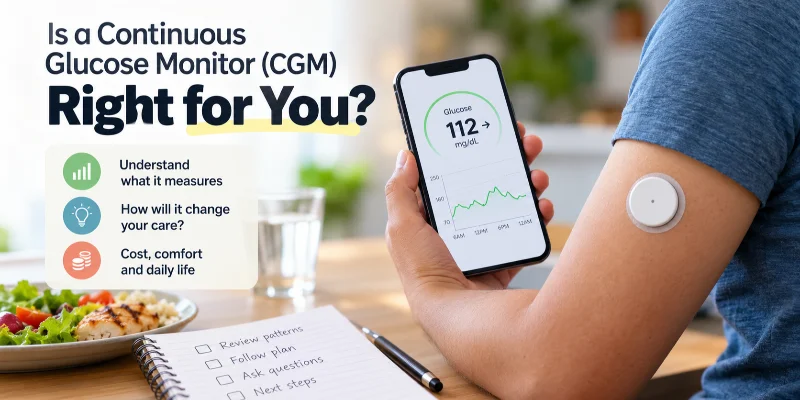
Next, collect the information that supports those questions. Arrange reports by date and bring the current prescription. Include medicines from other doctors, supplements, and over-the-counter products. If you monitor at home, bring the relevant record or device data rather than only your best readings. Note symptoms and changes in meals, activity, or illness when they help explain a pattern. Do not invent missing results or repeat tests solely to make the folder look complete. Ask the clinic which investigations are needed before your particular appointment.
Ask whether your preventive care is up to date. Depending on your circumstances, the review may include kidney assessment, eye screening, foot assessment, blood pressure, cholesterol, dental care, and vaccination. The schedule should be individualized rather than copied from a universal checklist. Make a note of the last completed check and the next due date when known. If something has been missed because of cost or travel, explain that clearly. A referral is more useful when you understand why it is needed and how to arrange it.
Talk about treatment burden as well as results. A medicine may be effective but difficult to take at the required time, or its cost may cause repeated gaps. Low-glucose episodes, digestive symptoms, fear of injections, and problems using devices all deserve attention. Tell the clinician what actually happens rather than agreeing that you follow every instruction perfectly. This is a problem-solving conversation. Accurate information helps them decide whether the plan needs clarification, simplification, a different treatment, or additional support.
Before the consultation ends, confirm what changed and what stayed the same. Ask for a written prescription or clear instructions, including medicine names, doses, and timing. If a test is ordered, ask who will review it and how you will receive the result. If a referral is recommended, confirm its urgency. Describe the plan back in your own words when a detail is unclear. This can reveal a misunderstanding while help is still available. Your follow-up should include an agreed date or a clear reason to return sooner.
An illustrative patient might bring a carefully organized folder but forget to mention weekly low readings. Their review improves when the low-glucose concern appears at the top of the page. Another person may need a plan for obtaining medicines consistently before discussing a new device. These examples show why priorities matter more than the thickness of a folder. A good appointment should leave you with a few meaningful actions and contact instructions. You should not have to reconstruct the plan afterward from several incomplete memories.
A few days before the appointment, write your main concerns and gather current prescriptions and relevant reports. Confirm whether any specific tests are needed in advance. Prepare a short account of symptoms, medication difficulties, and monitoring patterns. At the visit, raise the priority concern early, ask about overdue preventive checks, and explain practical barriers. Before leaving, confirm medicine instructions, result follow-up, referrals, and the next review date. At home, update the written plan and remove outdated instructions from the place you normally consult. If something remains confusing, contact the clinic rather than guessing. Use the next week to complete the first agreed action and arrange any required follow-up.
Write your plan in the language you use at home. A useful instruction should explain what to do, when to do it, and whom to contact when something goes wrong. Ask a clinician or educator to explain unfamiliar terms, then describe the instruction back in your own words. This helps uncover misunderstandings before they become problems.
Make room for practical limits. Work hours, caring responsibilities, mobility, money, and access to services all affect what is possible. Bring these details into the conversation rather than agreeing to a routine you cannot sustain. A smaller step that fits everyday life is often easier to repeat than an ambitious plan requiring ideal circumstances.
Keep written instructions accessible. Ask for clarification whenever instructions seem confusing. Your observations matter during the next clinical conversation. Agree on a realistic follow-up date with your clinician. A familiar notebook can be as useful as a complicated app. Check that any written plan still matches your current prescription and circumstances. If an approach feels unmanageable, explain the obstacle and ask for a simpler alternative. Share important changes promptly so your healthcare team can decide whether an earlier review is needed.
Bring relevant recent reports and important older information, organized by date. Ask the clinic what it needs. A concise summary with accessible records can be more useful than an unsorted stack.
No. Preparation depends on the test. Ask the clinic or laboratory for instructions rather than fasting automatically. Medication and meal timing may need specific advice if a fasting test is planned.
Describe missed doses honestly and explain why they occur. Cost, timing, side effects, and confusion are problems the team can help address. An inaccurate history can lead to unsuitable treatment decisions.
A relative can help with notes or support if you want them present. Decide what role you prefer and request private time for sensitive questions. Your own concerns and decisions should remain central.
Ask what you should do next, when the plan will be reviewed, and whom to contact if problems arise. Make sure you can explain the instructions in your own words before leaving.
Prepare a short priority list, bring the records that matter, and leave with a written next step. The best review connects clinical findings with your everyday circumstances. A clear plan and follow-up process make the appointment useful long after you leave the consultation room.