
Stopping Insulin Dependence: What to Expect During Clinical Diabetes Reversal
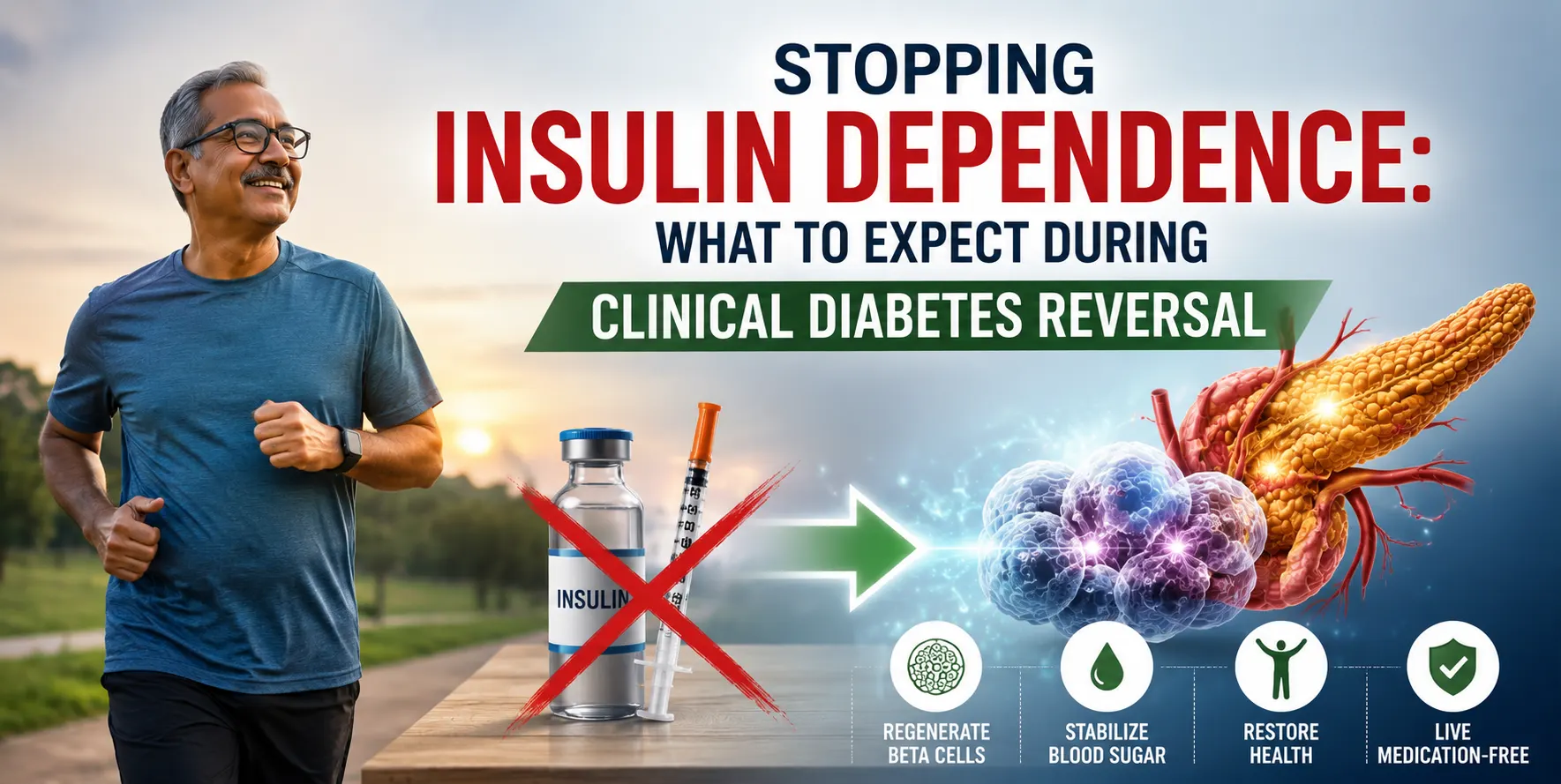

For many individuals living with advanced type 2 diabetes, the introduction of insulin therapy is presented as a necessary, albeit reluctant, final step in blood sugar management. Patients are often told that because their pancreas is no longer producing enough insulin, they must supplement it with daily injections. While insulin is highly effective at clearing glucose from the bloodstream, it does not cure the underlying condition. Over time, many patients find themselves caught in a frustrating cycle: their insulin requirements steadily rise, moving from 10 or 20 units a day to 50, 80, or even 100+ units. Despite these high doses, their blood sugar levels may remain unstable, and they often experience weight gain, frequent hypoglycemic episodes, and a general decline in their quality of life. The daily routine of monitoring, injecting, and worrying about insulin levels becomes a heavy psychological and physical burden.
What many patients do not realize is that high doses of external insulin can actually worsen the root cause of their diabetes. When we inject large quantities of insulin into a body that is already insulin-resistant, we exacerbate the cellular desensitization, requiring even higher doses in the future. Furthermore, relying entirely on external insulin sends a signal to the pancreas that its own insulin production is no longer needed. This can cause the remaining active beta cells to go dormant, a state known as pancreatic "laziness" or dedifferentiation. Breaking free from this cycle requires a fundamental shift in treatment. At the Glycemia Anti-Diabetic Clinic, the focus is not on managing blood sugar with external hormones, but on regenerating the body's own beta cells so they can produce natural insulin again. Through a structured, medically supervised protocol, patients can safely reduce and eventually eliminate their dependence on external insulin. This article will outline what to expect during the clinical journey of insulin reversal.
To understand how we can reverse insulin dependence, we must first look at the relationship between insulin resistance and external insulin. In type 2 diabetes, the body's cells are resistant to the action of insulin. This resistance is often driven by chronic low-grade inflammation and the accumulation of excess fat within the liver and muscle cells. When insulin cannot bind effectively to cell receptors, glucose remains in the blood. In response, the pancreas pumps out more and more insulin to force the glucose into the cells. This state of chronically high insulin is called hyperinsulinemia. While hyperinsulinemia can keep blood sugar levels stable for years, it eventually leads to beta cell exhaustion and structural damage to the pancreas. When a doctor prescribes external insulin, it adds to this pool of high circulating insulin, creating a paradox: the patient has too much insulin in their blood, yet their cells are starving for glucose because the receptors are blocked.
Furthermore, external insulin is a powerful fat-storage hormone. High levels of insulin promote lipogenesis (fat production) and inhibit lipolysis (fat burning). This explains why many patients experience rapid weight gain after starting insulin therapy. The gained weight increases visceral fat, which in turn increases insulin resistance, leading to a demand for even higher insulin doses. Over time, this constant metabolic stress causes the beta cells in the pancreas to go dormant or die. To break this vicious cycle, we must address the root cause of the resistance and support the rejuvenation of the beta cells. By reducing systemic inflammation, clearing ectopic fat from the liver and pancreas, and using natural formulations to stimulate beta cell regeneration, we can restore the body's natural insulin sensitivity and secretory capacity. This is the foundation of the clinical reversal protocol at Glycemia Anti-Diabetic Clinic.
Reversing insulin dependence is a highly structured, gradual process that must always be conducted under strict medical supervision. Stopping insulin suddenly or without professional guidance is extremely dangerous and can lead to severe complications like diabetic ketoacidosis (DKA) or life-threatening hyperglycemia. At Glycemia Anti-Diabetic Clinic, the insulin reversal journey is divided into several distinct clinical phases:
To support the pancreas as it recovers and reduces its need for external insulin, the patient must adopt targeted lifestyle modifications. A low-glycemic, high-fiber diet is essential because it prevents post-meal glucose spikes, reducing the immediate demand on the beta cells. This allows them to rest and undergo repair. Additionally, incorporating resistance training and muscle-building exercise is a powerful way to enhance insulin sensitivity. When muscles contract during exercise, they can absorb glucose directly from the bloodstream using a pathway that bypasses the need for insulin (via the translocation of GLUT4 transporters). By lowering the amount of insulin required to clear blood sugar, physical activity significantly speeds up the titration process, allowing patients to safely reduce their daily insulin doses even faster. Clinical research shows that combining these lifestyle measures with the clinic's specialized natural supplements creates the ideal environment for the regeneration of beta cells and the elimination of external insulin.
Another critical aspect of the titration process is patient education. Patients are taught to recognize the symptoms of mild hypoglycemia, which can occur as their native pancreatic function begins to return while they are still taking external insulin. Symptoms such as sweating, shakiness, or mild lightheadedness are actually positive signs that the body is starting to produce its own insulin, signaling that the dose of external insulin needs to be adjusted downward. The clinical team works closely with the patient, reviewing their daily blood glucose logs and making small, incremental adjustments to ensure that the patient remains safe and comfortable throughout their transition. This high level of personalized, continuous care is a key reason why Glycemia Anti-Diabetic Clinic achieves such high success rates in helping patients reverse their insulin dependence and live a healthy, injection-free life.
At Glycemia Anti-Diabetic Clinic, patient safety is the highest priority. The clinic's regenerative protocols are built on years of clinical experience and have been validated through partnerships with respected scientific institutions. The natural formulations used to support beta cell recovery have been evaluated for safety and efficacy by the Amala Cancer Research Center in Thrissur, a premier laboratory approved by the Indian Council of Medical Research (ICMR) and the Council of Scientific and Industrial Research (CSIR). These studies have confirmed that the formulations are non-toxic and work at a cellular level to protect pancreatic tissue and promote regeneration. This scientific validation gives patients the confidence that their journey off insulin is guided by safe, evidence-based practices.
During the titration process, patients are closely monitored by a team of experienced medical professionals. The clinic's diagnostic tools allow for the precise measurement of vascular health, nerve function, and metabolic parameters, ensuring that any potential complications are detected and addressed immediately. By combining advanced technology with natural, root-cause therapies, Glycemia Anti-Diabetic Clinic provides a safe and effective pathway for patients to reclaim their health and live free from the burden of daily insulin injections. If you are ready to take control of your health and explore the possibilities of insulin reversal, contact Glycemia Anti-Diabetic Clinic in Kannur today to schedule a comprehensive consultation.