

The Science of Beta Cell Regeneration: Can You Actually Reverse Diabetes?
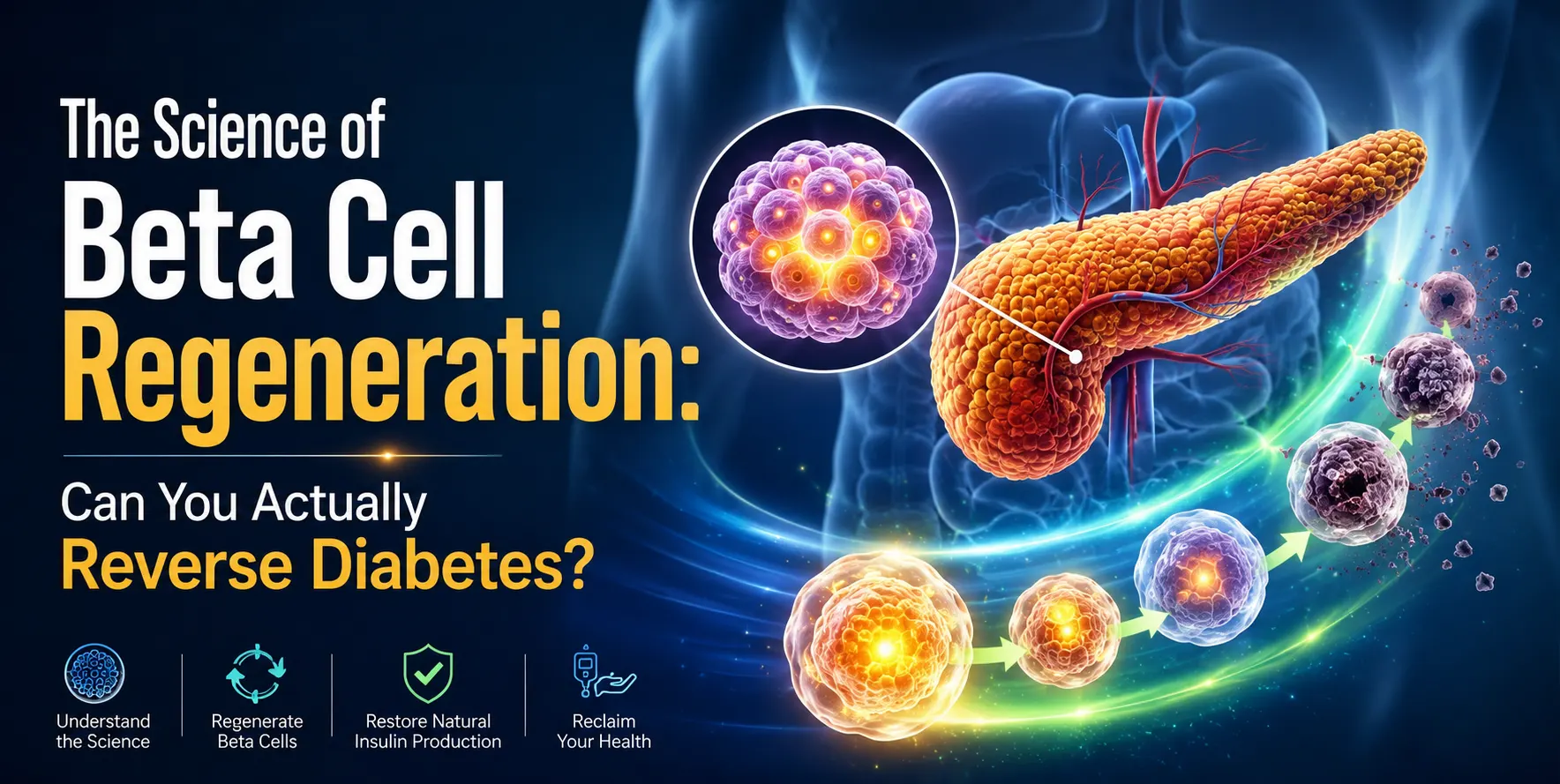

For several decades, the global medical consensus surrounding type 2 diabetes has remained largely unchanged: it is a chronic, progressive, and irreversible disease. Patients diagnosed with diabetes are typically told that they will have to manage their blood glucose levels for the rest of their lives through a combination of strict lifestyle adjustments, oral medications, and eventually, daily insulin injections. However, this management-only paradigm has left millions of individuals trapped in a cycle of escalating medication dosages, persistent health anxieties, and the ever-present threat of long-term diabetic complications. In recent years, a major scientific paradigm shift has begun to take hold. Advanced research in cell biology and endocrinology is revealing that the human body possesses a remarkable, previously underestimated capacity to heal. The key to this healing process lies in the science of beta cell regeneration.
At the center of this metabolic revolution is the understanding that high blood sugar is not the disease itself, but rather a symptom. The true root cause of diabetes is the dysfunction and loss of insulin-producing beta cells in the pancreas. When we only focus on lowering blood glucose through medications that force the body to secrete more insulin or increase tissue sensitivity, we are merely managing the symptoms while the disease continues to progress. At the Glycemia Anti-Diabetic Clinic, the treatment approach centers on addressing this root cause. By focusing on regenerating the damaged and dormant beta cells, it is possible to restore the body's natural insulin production and achieve true clinical diabetes reversal. This article will delve deep into the cellular biology of the pancreas, explore the mechanisms of beta cell regeneration, and examine the scientific evidence supporting this groundbreaking therapeutic approach.
To understand how diabetes can be reversed, we must first examine the microscopic anatomy of the pancreas. The pancreas is a dual-function gland situated deep within the abdomen, behind the stomach. While the vast majority of the pancreas is dedicated to exocrine functions (producing digestive enzymes), about one to two percent of its mass consists of endocrine micro-organs known as the Islets of Langerhans. These tiny clusters of cells are scattered throughout the pancreas and are responsible for secreting hormones directly into the bloodstream to regulate glucose metabolism. Within these islets, there are three primary cell types:
The beta cells function as highly sophisticated metabolic sensors. Under normal physiological conditions, when you eat a meal, carbohydrates are broken down into glucose, which enters the bloodstream. The rising glucose levels are detected by the beta cells, which immediately respond by secreting insulin. Insulin acts as a biochemical key that binds to receptors on the surface of your body's cells (particularly muscle, fat, and liver cells), allowing glucose to enter the cells to be used for energy. Without functioning beta cells, the body cannot produce insulin, glucose remains trapped in the blood, and the cells are starved of energy. This is the basic mechanism that leads to the symptom of hyperglycemia (high blood sugar).
In both type 1 and type 2 diabetes, the functional mass of beta cells is compromised, but the pathways leading to this loss are distinct. In type 1 diabetes, the body's immune system mistakenly identifies the beta cells as foreign invaders and mounts an autoimmune attack, destroying them. In type 2 diabetes, the process is slower and closely linked to chronic metabolic stress. The journey usually begins with insulin resistance, a condition where the body's tissues become desensitized to insulin due to factors like excess visceral fat, poor diet, and physical inactivity. Because the tissues are resistant, the pancreas must produce much higher amounts of insulin to keep blood sugar normal. This leads to a state of hyperinsulinemia (high levels of insulin in the blood).
During the early stages of insulin resistance, the beta cells compensate by increasing in size (hypertrophy) and multiplying (proliferation) to meet the massive demand. However, this hyper-activation cannot be sustained indefinitely. Over time, the constant demand leads to beta cell exhaustion. The cells become stressed by the accumulation of misfolded proteins and the generation of reactive oxygen species (oxidative stress). Furthermore, high circulating levels of glucose (glucotoxicity) and free fatty acids (lipotoxicity) create a toxic environment that further impairs beta cell function. In response to this metabolic trauma, beta cells do not immediately die; instead, many of them enter a state of dormancy, known as dedifferentiation. In this state, they lose their specialized characteristics and stop secreting insulin to protect themselves from further damage. Traditional diabetes management protocols, which focus on forcing these exhausted cells to secrete more insulin, often accelerate their decline and lead to permanent cell death (apoptosis).
For decades, it was believed that once mammalian beta cells were lost or damaged, they could never be replaced. However, modern scientific breakthroughs have shattered this assumption. Research published in leading medical journals has demonstrated that the adult pancreas retains a significant degree of plasticity and regenerative capacity. There are three primary biological mechanisms through which beta cell mass can be restored:
The key to triggering these regenerative processes lies in changing the cellular microenvironment. To allow dormant beta cells to "wake up" and encourage new cells to grow, we must eliminate the factors causing metabolic stress—specifically glucotoxicity, lipotoxicity, and systemic inflammation. This is precisely what the treatment protocols at Glycemia Anti-Diabetic Clinic aim to achieve. By using targeted, scientifically tested natural formulations and natural supplements, the clinic helps clear metabolic toxins, reduce pancreatic inflammation, and supply the essential micronutrients required for cellular repair. This creates a healing environment where the pancreas can naturally regenerate its beta cell mass.
At Glycemia Anti-Diabetic Clinic, the claim of beta cell regeneration is not just a theoretical concept; it is a clinically documented reality. The clinic utilizes advanced, non-invasive diagnostic technologies to assess pancreatic health before, during, and after treatment. By measuring biomarkers like C-peptide (a direct indicator of insulin production) and using sophisticated screening systems available through their advanced diagnostic technology, the clinical team can track the functional recovery of the pancreas in real-time. When patients undergo the regeneration protocol, their C-peptide levels gradually rise, and their HbA1c levels drop, demonstrating that the body is once again producing its own insulin.
To ensure the highest standards of scientific credibility, the clinic's therapeutic outcomes have been validated through collaborations with leading research laboratories. A primary collaborator is the Amala Cancer Research Center in Thrissur, Kerala. As a premier research institution approved by the Indian Council of Medical Research (ICMR) and the Council of Scientific and Industrial Research (CSIR), the Amala Cancer Center has conducted rigorous laboratory evaluations of the clinic's natural formulations. These studies have confirmed that the clinic's natural treatments are non-toxic, safe for long-term use, and highly effective at promoting pancreatic tissue regeneration. This scientific backing provides patients with the assurance that their recovery is built on a solid foundation of evidence-based medicine.
The implications of beta cell regeneration are profound. It means that diabetes does not have to be a progressive, lifelong sentence. By focusing on the root cause of the disease and supporting the body's natural healing mechanisms, patients can gradually reduce their reliance on external medications and insulin injections. This approach not only normalizes blood sugar levels but also protects the body from the devastating complications of diabetes, such as neuropathy, retinopathy, and kidney damage. True healing is about restoring the body's natural balance, and beta cell regeneration is the key to unlocking this potential. If you or a loved one is struggling with diabetes, it is time to move beyond simple symptom management. Explore the possibilities of pancreatic rejuvenation and take the first step toward a healthier, medicine-free life today.