

Early Warning Signs of Diabetes Most People Ignore
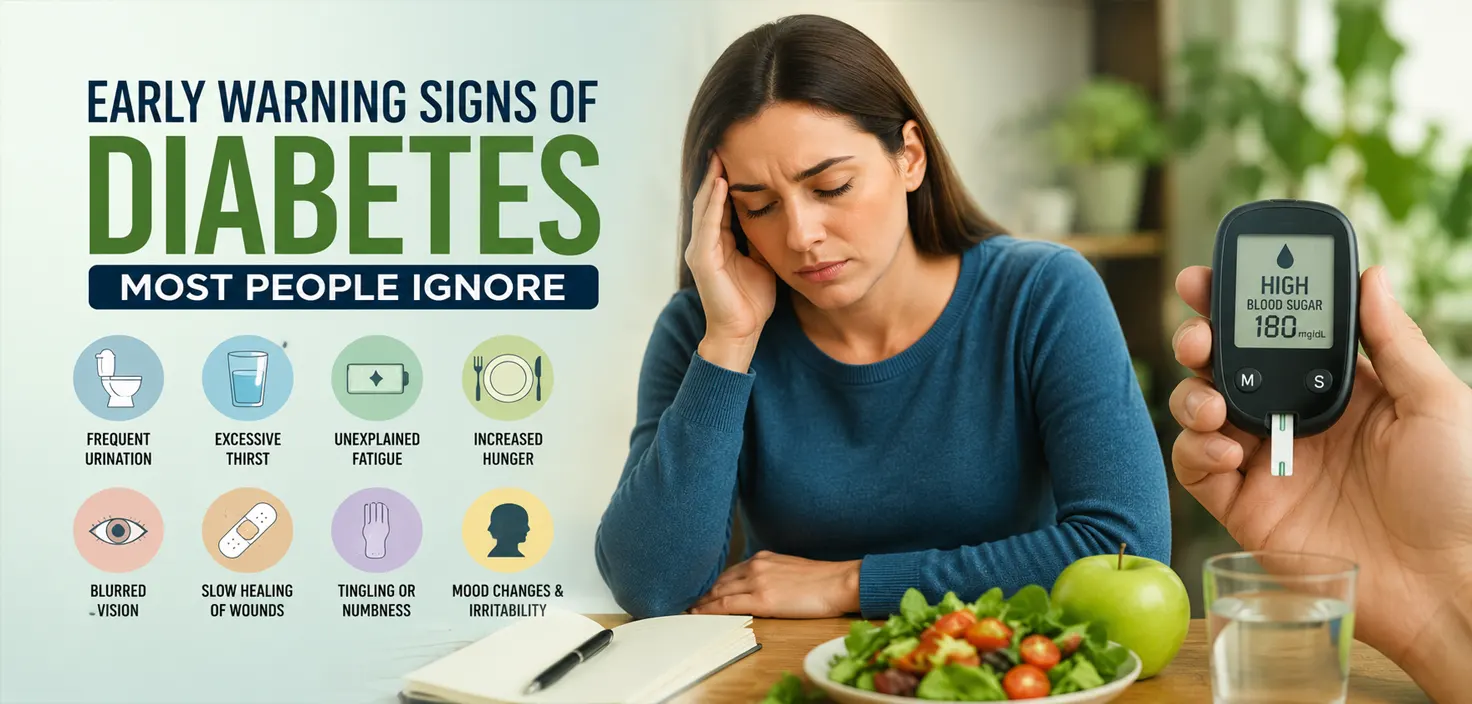

Diabetes is one of the fastest-growing health concerns worldwide, affecting millions of people across all age groups. What makes diabetes particularly dangerous is that it often develops slowly and silently. Many people live with elevated blood sugar levels for months or even years without realizing there is a problem.
By the time diabetes is diagnosed, some individuals may have already developed complications affecting their eyes, nerves, kidneys, heart, or blood vessels. This is why recognizing the early warning signs of diabetes is so important.
Unfortunately, many of these symptoms are subtle and easily mistaken for stress, aging, lack of sleep, or a busy lifestyle. Understanding these early signs can help individuals seek medical attention sooner and potentially prevent more serious health issues in the future.
Diabetes occurs when the body cannot properly regulate blood sugar levels. In Type 2 diabetes, the most common form of the disease, the body gradually becomes resistant to insulin or does not produce enough insulin to maintain healthy glucose levels.
In many cases, people pass through a stage known as prediabetes before developing full diabetes. During this period, blood sugar levels are elevated but may not yet be high enough for a diabetes diagnosis.
Detecting warning signs early allows individuals to make lifestyle changes and receive appropriate medical guidance before the condition progresses further.
One of the earliest and most commonly overlooked symptoms of diabetes is frequent urination.
When blood sugar levels become too high, the kidneys work harder to remove excess glucose from the bloodstream. This process causes the body to produce more urine.
Many people notice they:
Visit the bathroom more often
Wake up multiple times during the night to urinate
Experience an increased urge to urinate during the day
Because this symptom develops gradually, people often blame it on drinking more water, aging, or weather changes rather than considering diabetes as a possible cause.
Frequent urination often leads to excessive thirst.
As the body loses more fluids through urine, dehydration can develop. The brain responds by triggering feelings of thirst, encouraging fluid intake.
People experiencing early diabetes may notice:
Constant dry mouth
Increased water consumption
Persistent thirst even after drinking fluids
Many individuals simply assume they are dehydrated or spending more time outdoors, causing them to ignore this important warning sign.
Feeling tired occasionally is normal. However, persistent fatigue without an obvious reason can sometimes indicate blood sugar problems.
Glucose serves as the body's primary energy source. When insulin cannot effectively move glucose into cells, the body's tissues struggle to access the energy they need.
As a result, people may experience:
Constant tiredness
Low energy levels
Reduced productivity
Lack of motivation
Difficulty concentrating
Many individuals attribute fatigue to work stress, family responsibilities, or poor sleep rather than investigating potential blood sugar issues.
Another commonly ignored symptom is unusual hunger.
Even though glucose is present in the bloodstream, it may not efficiently enter the body's cells due to insulin resistance. As a result, the body behaves as though it is not receiving enough energy.
This can trigger:
Frequent hunger
Increased appetite
Cravings shortly after meals
Desire for sugary foods
When combined with fatigue and weight changes, increased hunger should never be ignored.
High blood sugar can affect the fluid balance within the eyes.
This may cause temporary changes in the shape of the eye's lens, leading to blurred or fluctuating vision.
Some people notice:
Difficulty focusing
Blurry text while reading
Changes in vision quality throughout the day
Many individuals assume they simply need new glasses and do not realize that unstable blood sugar may be contributing to the problem.
The body's natural healing process depends on healthy blood circulation and proper immune function.
Elevated blood sugar levels can interfere with both of these systems, causing wounds to heal more slowly than usual.
Warning signs may include:
Cuts taking longer to heal
Persistent skin infections
Minor injuries remaining visible for weeks
Frequent inflammation around wounds
Slow wound healing should always be discussed with a healthcare professional, especially when combined with other diabetes symptoms.
People with elevated blood sugar levels may become more susceptible to infections.
Excess glucose can weaken the immune system and create an environment where bacteria and fungi thrive.
Common infections associated with diabetes include:
Skin infections
Gum infections
Urinary tract infections
Fungal infections
Repeated infections may indicate that blood sugar regulation is not functioning properly.
One of the earliest signs of diabetic nerve damage can be a tingling sensation in the hands or feet.
This symptom may appear as:
Pins and needles sensation
Mild numbness
Burning feelings
Increased sensitivity
Although nerve damage is often associated with long-term diabetes, some individuals may begin experiencing symptoms before receiving a formal diagnosis.
Ignoring these sensations can allow nerve problems to worsen over time.
A lesser-known warning sign of insulin resistance is a skin condition called acanthosis nigricans.
This condition causes dark, velvety patches of skin that commonly appear around:
The neck
Armpits
Elbows
Knuckles
Many people mistake these patches for dirt, pigmentation issues, or poor hygiene.
However, they can sometimes be an important indicator of insulin resistance and increased diabetes risk.
Although Type 2 diabetes is often associated with weight gain, unexplained weight loss can also occur.
When cells cannot access glucose effectively, the body may begin breaking down fat and muscle tissue for energy.
This can result in:
Unexpected weight loss
Muscle loss
Reduced strength
Increased fatigue
Any significant, unexplained change in body weight should be evaluated by a healthcare professional.
People developing insulin resistance often experience strong cravings for sugary foods and refined carbohydrates.
This occurs because fluctuating blood sugar levels can trigger repeated hunger signals.
Common cravings may include:
Sweets
Soft drinks
Chocolate
Bakery products
Sugary snacks
While occasional cravings are normal, persistent cravings combined with other symptoms may warrant further investigation.
Blood sugar fluctuations can influence brain function and emotional well-being.
Some people notice:
Irritability
Mood swings
Difficulty concentrating
Anxiety
Mental fog
These symptoms are frequently blamed on stress, work pressure, or lack of sleep, causing underlying blood sugar problems to remain undetected.
Certain factors increase the likelihood of developing diabetes:
Family history of diabetes
Obesity or excess abdominal fat
Physical inactivity
High blood pressure
Poor dietary habits
Smoking
Chronic stress
Sleep disorders
Individuals with multiple risk factors should consider regular blood sugar screenings even if symptoms appear mild.
You should consider discussing blood sugar testing with a healthcare professional if you experience:
Frequent urination
Excessive thirst
Persistent fatigue
Blurred vision
Increased hunger
Slow-healing wounds
Unexplained weight changes
Tingling in hands or feet
Simple blood tests can often identify blood sugar abnormalities long before serious complications develop.
Many cases of Type 2 diabetes can be delayed or prevented through lifestyle changes.
Helpful strategies include:
Maintaining a healthy weight
Exercising regularly
Eating a balanced diet
Reducing sugary foods and beverages
Managing stress
Getting sufficient sleep
Monitoring blood sugar when recommended
The earlier insulin resistance and blood sugar problems are identified, the greater the opportunity to improve long-term health outcomes.
At Glycemia Anti Diabetic Clinic, the focus extends beyond simply monitoring blood sugar levels. The clinic promotes diabetes awareness, early detection, lifestyle modification, and comprehensive wellness approaches designed to support healthier metabolic function.
By helping individuals recognize early warning signs and encouraging proactive health management, Glycemia Anti Diabetic Clinic aims to empower people to take control of their health before diabetes progresses into more serious complications.
Diabetes rarely develops overnight. The body often sends warning signals months or years before a diagnosis is made. Unfortunately, many of these signs are subtle and easily overlooked.
Frequent urination, excessive thirst, fatigue, blurred vision, increased hunger, slow-healing wounds, numbness, and recurring infections should never be ignored.
Recognizing these early symptoms can make a significant difference in preventing complications and improving overall health. Regular screening, healthy lifestyle habits, and professional guidance can help individuals identify problems early and take meaningful steps toward better blood sugar control and long-term wellness.
When it comes to diabetes, awareness truly is the first step toward prevention.