

How Insulin Resistance Starts in the Human Body
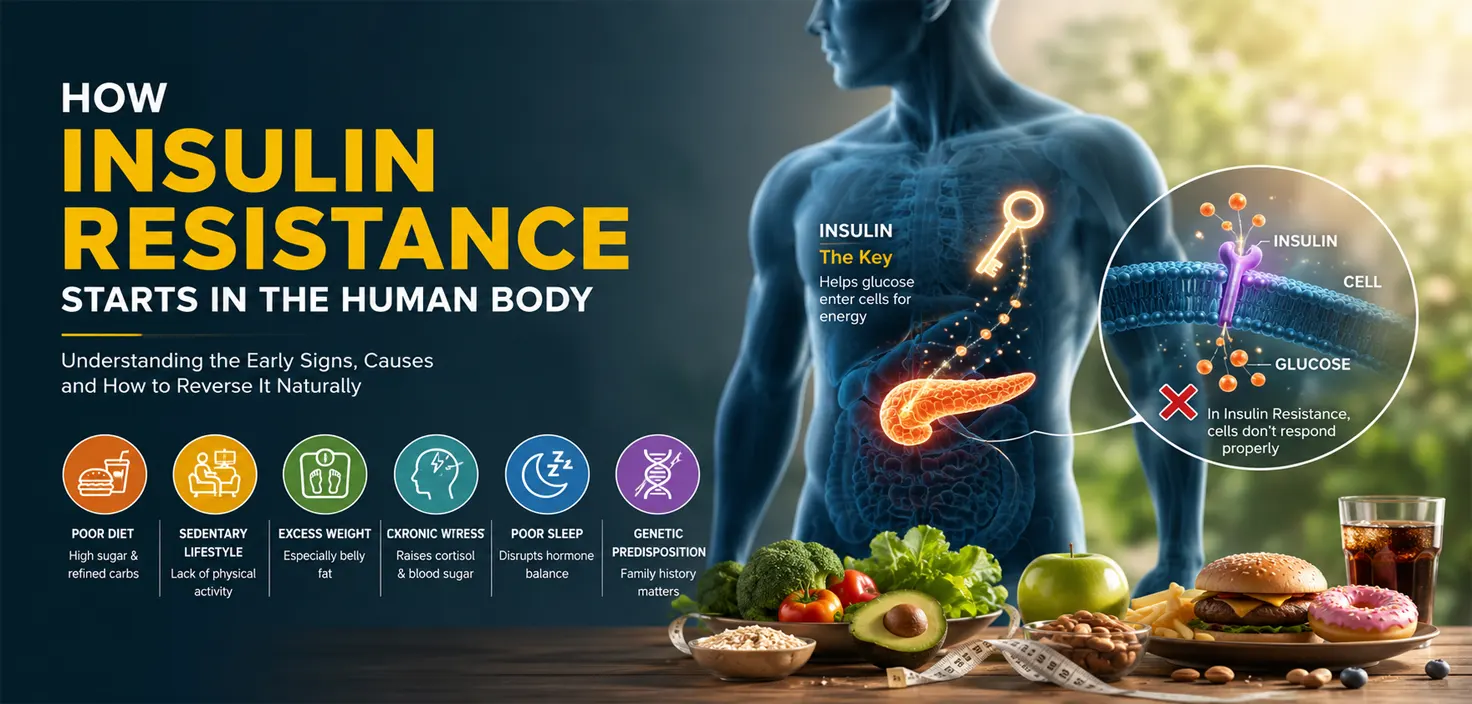

Insulin resistance is one of the most common yet least understood health conditions affecting millions of people worldwide. It often develops silently over several years before symptoms become noticeable. In many cases, people may have insulin resistance long before they are diagnosed with prediabetes or Type 2 diabetes.
Understanding how insulin resistance starts in the human body is essential for preventing diabetes, maintaining healthy blood sugar levels, and protecting long-term health. The good news is that insulin resistance often develops gradually, giving individuals an opportunity to identify risk factors and take corrective action before serious complications occur.
Insulin is a hormone produced by specialized beta cells located in the pancreas. Its primary role is to help glucose, or blood sugar, move from the bloodstream into the body's cells, where it is used for energy.
Whenever we eat foods containing carbohydrates, our digestive system breaks them down into glucose. This glucose enters the bloodstream, causing blood sugar levels to rise. In response, the pancreas releases insulin.
Think of insulin as a key and your cells as locked doors. Insulin unlocks these doors so glucose can enter and provide energy to muscles, organs, and tissues throughout the body.
In a healthy individual, this process happens efficiently and automatically.
Insulin resistance occurs when the body's cells gradually stop responding properly to insulin.
Although the pancreas continues producing insulin, the cells become less sensitive to its signals. As a result, glucose struggles to enter the cells efficiently and begins accumulating in the bloodstream.
To compensate, the pancreas works harder and produces even more insulin.
Initially, this extra insulin may keep blood sugar levels within the normal range. However, over time, the pancreas becomes overworked and may struggle to keep up with demand. This can eventually lead to elevated blood sugar levels, prediabetes, and Type 2 diabetes.
Insulin resistance usually develops through a combination of lifestyle, dietary, genetic, and environmental factors.
One of the most significant contributors to insulin resistance is the frequent consumption of foods that cause rapid spikes in blood sugar.
Examples include:
Sugary beverages
Sweets and desserts
White bread
Refined flour products
Processed snacks
Sweetened breakfast cereals
When blood sugar spikes repeatedly throughout the day, the pancreas must continuously release insulin. Over months and years, the body's cells may become less responsive to these constantly elevated insulin levels.
This process is similar to someone becoming less sensitive to a repetitive sound over time.
Body fat, particularly abdominal or visceral fat, plays a major role in insulin resistance.
Fat cells are not merely storage units for excess calories. They actively release hormones and inflammatory substances that can interfere with insulin signaling.
As belly fat increases, inflammation throughout the body often increases as well. This chronic low-grade inflammation can make cells less responsive to insulin.
Research consistently shows that individuals with larger waist circumferences are at a significantly higher risk of developing insulin resistance and Type 2 diabetes.
Muscles are among the body's largest consumers of glucose.
When people remain physically active, muscle cells readily absorb glucose and use it for energy. However, prolonged inactivity reduces the muscles' ability to utilize glucose efficiently.
Modern lifestyles often involve:
Long office hours
Excessive screen time
Minimal physical movement
Reliance on vehicles for transportation
This lack of movement can gradually contribute to insulin resistance.
Even simple activities such as walking, cycling, or strength training can significantly improve insulin sensitivity.
Stress affects much more than mental health.
When a person experiences chronic stress, the body releases hormones such as cortisol and adrenaline. These hormones increase blood sugar levels as part of the body's natural "fight or flight" response.
While this response is helpful during emergencies, constant stress can keep blood sugar elevated for prolonged periods.
As insulin production increases to manage these elevated levels, the body may gradually become more resistant to insulin.
This is one reason why stress management has become an important part of modern diabetes prevention strategies.
Sleep plays a vital role in regulating hormones, metabolism, and blood sugar control.
Studies have shown that even a few nights of poor sleep can reduce insulin sensitivity.
Common sleep-related issues include:
Sleeping fewer than six hours per night
Irregular sleep schedules
Sleep apnea
Frequent nighttime awakenings
Over time, poor sleep may increase the risk of obesity, insulin resistance, and diabetes.
Some individuals have a higher genetic risk of developing insulin resistance.
If parents or close family members have Type 2 diabetes, the likelihood of developing insulin resistance may increase.
However, genetics alone do not determine the outcome.
Healthy lifestyle habits can often significantly reduce risk, even among those with a strong family history of diabetes.
Inflammation is increasingly recognized as a major contributor to insulin resistance.
Chronic inflammation can interfere with the body's normal insulin signaling pathways.
Sources of chronic inflammation may include:
Excess body fat
Smoking
Poor diet
Physical inactivity
Chronic stress
Certain health conditions
Reducing inflammation through healthy lifestyle choices may help improve insulin sensitivity and metabolic health.
Insulin resistance often develops silently, but some warning signs may appear.
These can include:
Increased hunger
Sugar cravings
Weight gain around the abdomen
Fatigue after meals
Difficulty losing weight
Frequent tiredness
Elevated blood sugar readings
Darkened skin patches around the neck or armpits
Because symptoms can be subtle, regular health screenings are important, especially for individuals with risk factors.
Without intervention, insulin resistance may progress through several stages.
The pancreas produces extra insulin to maintain normal blood sugar levels.
Blood sugar levels begin rising above normal ranges.
The pancreas can no longer keep up with the body's increasing insulin demands.
Poorly controlled diabetes can increase the risk of:
Heart disease
Stroke
Kidney damage
Nerve damage
Vision problems
Poor wound healing
Early detection and management can help prevent these complications.
In many cases, insulin resistance can be significantly improved through lifestyle changes.
Strategies that may help include:
Focus on:
Vegetables
Whole grains
High-fiber foods
Lean proteins
Healthy fats
Reducing highly processed foods and sugary beverages can support healthier blood sugar control.
Physical activity improves insulin sensitivity almost immediately.
Activities may include:
Walking
Swimming
Cycling
Resistance training
Yoga
Even modest weight loss can improve insulin sensitivity and reduce diabetes risk.
Meditation, deep breathing, hobbies, and adequate relaxation can help lower stress hormone levels.
Maintaining consistent sleep schedules and improving sleep quality can positively affect insulin function.
Managing insulin resistance effectively often requires a personalized approach.
Every individual's health profile, lifestyle, and metabolic condition are different. Professional assessment can help identify risk factors and create a customized plan for improving insulin sensitivity and overall health.
At Glycemia Anti Diabetic Clinic, the focus extends beyond simply monitoring blood sugar levels. The clinic emphasizes comprehensive diabetes wellness, metabolic health, and personalized care strategies designed to support healthier insulin regulation and long-term wellbeing.
Through a combination of lifestyle guidance, nutritional support, diabetes education, and innovative wellness approaches, Glycemia Anti Diabetic Clinic aims to help individuals take proactive control of their health before insulin resistance progresses into more serious metabolic conditions.
Insulin resistance does not develop overnight. It is usually the result of years of gradual changes involving diet, physical activity, body weight, stress levels, sleep quality, and genetics.
The encouraging news is that insulin resistance is often preventable and manageable when identified early. Understanding how it starts allows individuals to make informed decisions that support healthier blood sugar levels and long-term wellness.
By adopting healthy lifestyle habits, staying physically active, maintaining a balanced diet, and seeking professional guidance when needed, individuals can reduce their risk of Type 2 diabetes and improve their overall quality of life.
Organizations such as Glycemia Anti Diabetic Clinic continue to promote awareness, education, and holistic diabetes wellness approaches, helping people better understand the root causes of insulin resistance and take meaningful steps toward healthier living.