
Understanding Prediabetes and Diabetes: A Path to Better Health


Prediabetes is a condition that serves as a warning sign, often indicating that your blood sugar levels are higher than normal but not yet high enough to be classified as diabetes. While not everyone with prediabetes will develop diabetes, it is a critical stage where lifestyle changes and proactive management can make a significant difference. If left unaddressed, prediabetes can progress to type 2 diabetes, a chronic condition with serious health implications.
How is Prediabetes Diagnosed?
Prediabetes is diagnosed using the same tests as diabetes, primarily focusing on blood glucose levels. Two common tests are used:
1. Fasting Glucose Test: This test measures blood sugar levels after an overnight fast. A normal reading is below 100 mg/dL. If your levels fall between 100-125 mg/dL, you’ll be diagnosed with prediabetes. A reading above 125 mg/dL indicates diabetes.
2. Hemoglobin A1C Test: This test reflects your average blood sugar levels over the past three months and doesn’t require fasting. A normal A1C level is below 5.7%. Prediabetes is diagnosed if your A1C is between 5.7% and 6.4%, while diabetes is diagnosed at 6.5% or higher.
Approximately 10% of people with prediabetes will develop type 2 diabetes within a year, and the lifetime risk is around 70%. However, the good news is that prediabetes can often be reversed through lifestyle changes, such as regular exercise and a healthy diet.
Insulin resistance is a key factor in prediabetes and diabetes. When your body becomes resistant to insulin, it struggles to regulate blood sugar effectively. This is often linked to excess body fat, particularly around the abdomen. By adopting healthier habits—like exercising for at least 30 minutes daily and eating a balanced diet—you can combat insulin resistance and reduce your risk of progressing to diabetes.
Symptoms of Diabetes
Diabetes symptoms often go unnoticed until the disease has advanced, which is why regular check-ups and blood tests are crucial. Some common symptoms include:
- Excessive thirst and urination: High blood sugar forces the kidneys to release excess glucose into the urine, taking water with it and leading to dehydration.
- Fatigue: Without enough insulin, your cells can’t access glucose for energy, leaving you feeling tired.
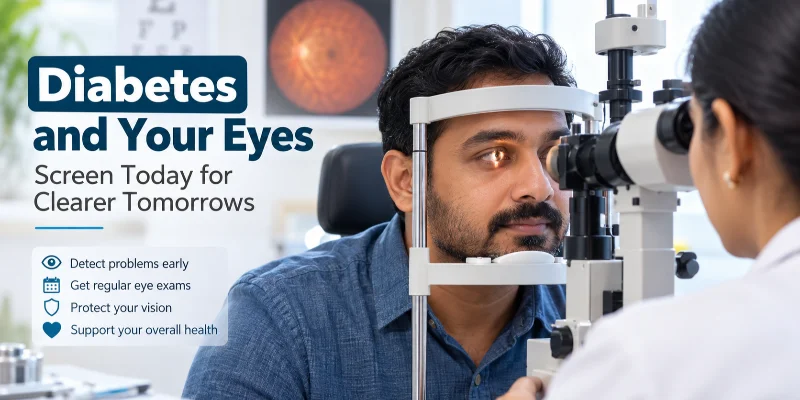
- Blurred vision: High blood sugar can damage blood vessels in the eyes, leading to vision problems.
- Nerve damage: Over time, high glucose levels can damage nerves, particularly in the feet and hands, causing numbness or pain.
If left untreated, diabetes can lead to severe complications, including heart disease, kidney failure, and blindness. Early detection and management are essential to prevent these outcomes.
A Breakthrough in Diabetes Management
While modern science has yet to find a cure for diabetes, significant advancements have been made in managing the condition. Traditional treatments focus on controlling blood sugar levels through medication, diet, and lifestyle changes. However, researchers are now exploring innovative approaches to address the root cause of diabetes: the destruction of insulin-producing beta cells in the pancreas.
The pancreas plays a vital role in regulating blood sugar by producing insulin. In people with diabetes, beta cells are progressively destroyed, leading to decreased insulin production. For years, this process was considered irreversible. But groundbreaking research has changed the game.
The Glycemia Anti-Diabetic Clinic: A Beacon of Hope
For over 12 years, the Glycemia Anti-Diabetic Clinic Pvt Ltd in Kannur, Kerala, has been at the forefront of diabetes research. Their pioneering beta cell regeneration technology has opened new doors for diabetes management. This revolutionary approach enables the body to naturally regenerate beta cells, restoring insulin production and offering hope to millions living with diabetes.
Endorsed by the AMALA CANCER CENTER TRISSUR, a leading laboratory approved by the Indian Council of Medical Research (ICMR), this technology has demonstrated remarkable success in managing both Type 1 and Type 2 diabetes. By addressing the root cause of the disease, it empowers individuals to reduce their reliance on medication and enjoy a better quality of life.
The Future of Diabetes Treatment
The implications of beta cell regeneration are profound. This breakthrough not only improves diabetes management but also offers the potential to reverse the condition in some cases. For those struggling with diabetes, this technology represents a new era of hope and healing.
If you or a loved one is living with diabetes or prediabetes, it’s never too late to take control of your health. Reach out to the experts at the Glycemia Anti-Diabetic Clinic to learn more about this life-changing technology and how it can help you.
Contact Information:
- Clinic: Glycemia Anti-Diabetic Clinic Pvt Ltd, Building 27/97, Near Asset Homes Flat, Airport Road, Melechovva, Kannur, Kerala - 670006
- Email: glycemiatreatment@gmail.com
- Phone: Mobile: 8086028666 | Landline: 04972764481
Take the first step toward a healthier future today. With the right knowledge, support, and technology, managing—and even reversing—diabetes is within reach.