
How a Father’s Smoking Habit May Increase a Child’s Risk of Diabetes
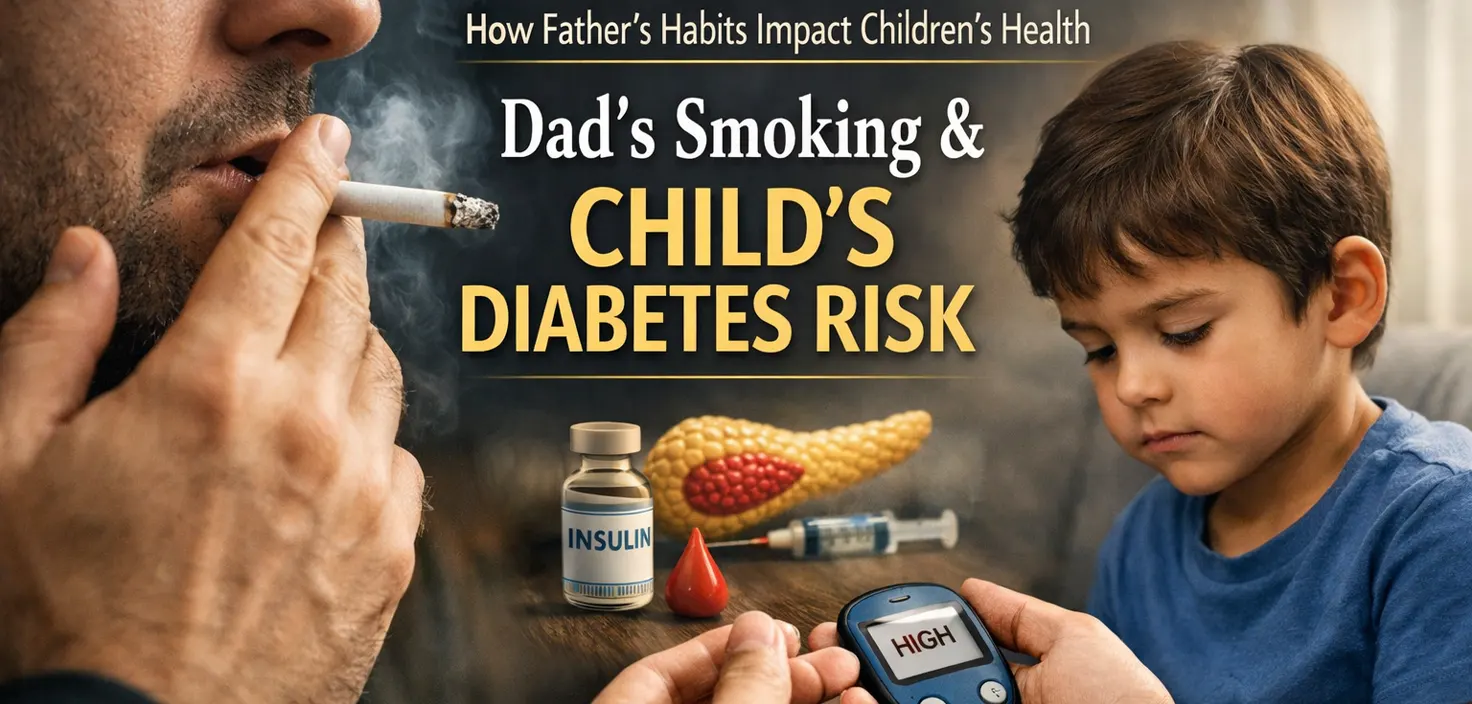

In recent years, scientists have increasingly discovered that a child’s health is influenced not only by the mother’s lifestyle during pregnancy but also by the father’s health and habits before conception. A new study published in the Journal of the Endocrine Society has brought attention to an important issue: a father’s dependence on nicotine may increase the risk of diabetes in his children.
For countries like India, where tobacco use remains widespread, this research carries serious implications for family health and future generations.
Diabetes has become one of the biggest lifestyle-related health challenges in the world. India alone is home to more than 100 million people living with diabetes, making it one of the countries most affected by the disease.
Diabetes occurs when the body cannot properly regulate blood sugar levels due to problems with insulin production or insulin resistance. Over time, uncontrolled diabetes can lead to serious complications such as:
While genetics, diet, and physical inactivity are well-known contributors, researchers are now finding that parental lifestyle choices may also influence a child’s metabolic health even before birth.
The recent study examined how nicotine exposure in fathers could affect their offspring. Researchers conducted experiments using mice to observe the metabolic impact on the next generation.
Male mice were exposed to nicotine before reproduction. The researchers then studied the health of their offspring, focusing on blood sugar levels, insulin regulation, and overall metabolism.
The results were striking.
Offspring of nicotine-exposed fathers showed:
Both male and female offspring were affected, suggesting that paternal nicotine exposure can influence a child’s metabolic health regardless of gender.
Scientists believe nicotine may cause changes in the genetic expression within sperm cells, which can then affect how the child’s body processes sugar.
India has a large population of tobacco users. According to global estimates, more than 100 million people in India smoke, and many millions more use smokeless tobacco products.
In many households, smoking is often seen as a personal habit that affects only the individual. However, this new research highlights that a father’s smoking habit could influence the health of future children even before they are born.
Traditionally, discussions about pregnancy health focus almost entirely on the mother. Mothers are advised to eat healthy foods, avoid harmful substances, and maintain good prenatal care.
But this study shows that fathers also play a critical role in determining their child’s long-term health.
The health choices made by men before conception—such as smoking, alcohol use, diet, and physical activity—may influence the metabolic health of their future children.
Nicotine is the addictive chemical found in cigarettes, tobacco products, and even many electronic cigarettes. It affects several systems in the body, including the brain, heart, and metabolism.
The research suggests nicotine may alter sperm in ways that influence how the next generation processes glucose.
This means that a father’s nicotine use may contribute to conditions such as:
In addition to these genetic effects, second-hand smoke exposure also poses risks to families. When smoking occurs indoors, harmful particles can linger in the air and affect other members of the household, including pregnant women and children.
Over time, such exposure may contribute to respiratory illnesses, developmental issues, and metabolic problems.
The findings of this study highlight a broader concept: health habits can influence future generations.
Lifestyle factors that may affect long-term family health include:
When these habits become part of daily life, they can increase the risk of chronic diseases such as diabetes not only for individuals but also for their children.
This is why preventive health strategies should focus on the entire family, not just individuals.
The good news is that tobacco-related health risks are largely preventable.
Quitting smoking can bring immediate and long-term health benefits, including:
More importantly, quitting tobacco before starting a family may help protect the health of future children.
India’s National Tobacco Control Programme also provides support through helplines and counseling services to help people overcome nicotine addiction.
While genetic and environmental factors play roles in diabetes risk, healthy lifestyle choices remain the most powerful preventive tools.
Families can reduce the risk of diabetes by focusing on:
These changes not only reduce diabetes risk but also improve overall health and quality of life.
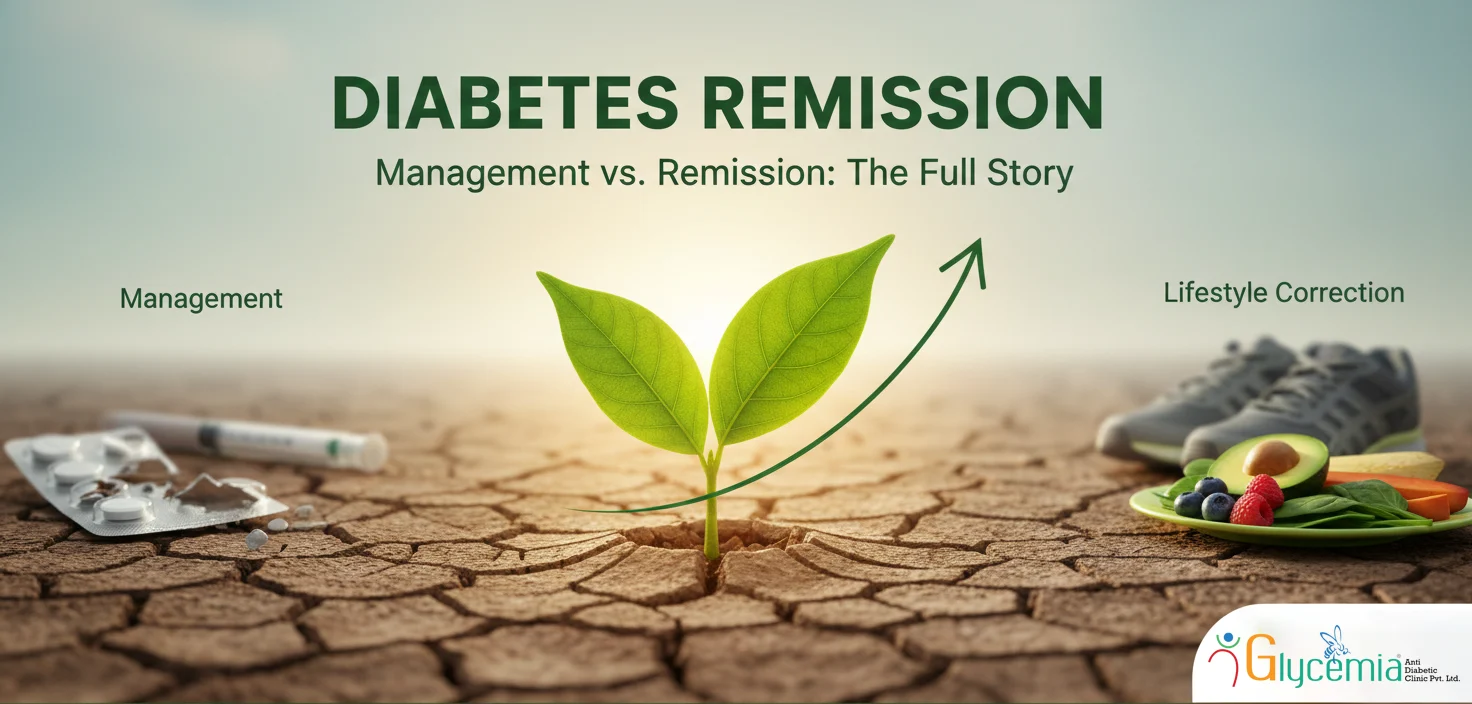
At Glycemia Anti Diabetic Clinic, specialists focus on addressing the root causes of diabetes rather than only controlling blood sugar levels.
The clinic emphasizes lifestyle correction, metabolic balance, and strategies aimed at improving pancreatic beta-cell function. By focusing on early intervention, personalized diet guidance, and lifestyle modifications, the goal is to help individuals better manage diabetes and reduce long-term complications.
Education is also an important part of the approach. Understanding how everyday habits—such as smoking, diet, and stress—impact metabolic health can help families make informed decisions about their lifestyle.
When families adopt healthier habits together, the benefits extend across generations.
This new research delivers a powerful message: a father’s health choices matter more than we previously understood.
Nicotine use before conception may increase the risk of metabolic disorders such as diabetes in children. For a country like India, where both tobacco use and diabetes are widespread, this finding highlights the urgent need for lifestyle awareness.
Fathers who quit smoking are not only protecting their own health but also investing in the health of their future children.
Small lifestyle changes today can have lasting benefits for generations to come.
The study linking paternal nicotine exposure to increased diabetes risk in children is an important reminder that health habits can have long-term consequences beyond the individual.
For Indian families, this research reinforces the importance of responsible lifestyle choices. Smoking and tobacco use do not just harm the person using them—they may also influence the metabolic health of future generations.
By quitting tobacco, adopting healthier lifestyles, and seeking preventive care from centers such as Glycemia Anti Diabetic Clinic, families can take proactive steps toward reducing the growing burden of diabetes.
Ultimately, protecting children’s health begins long before they are born—with the choices parents make today.