

Diet and Diabetes: Myths and Facts You Must Know
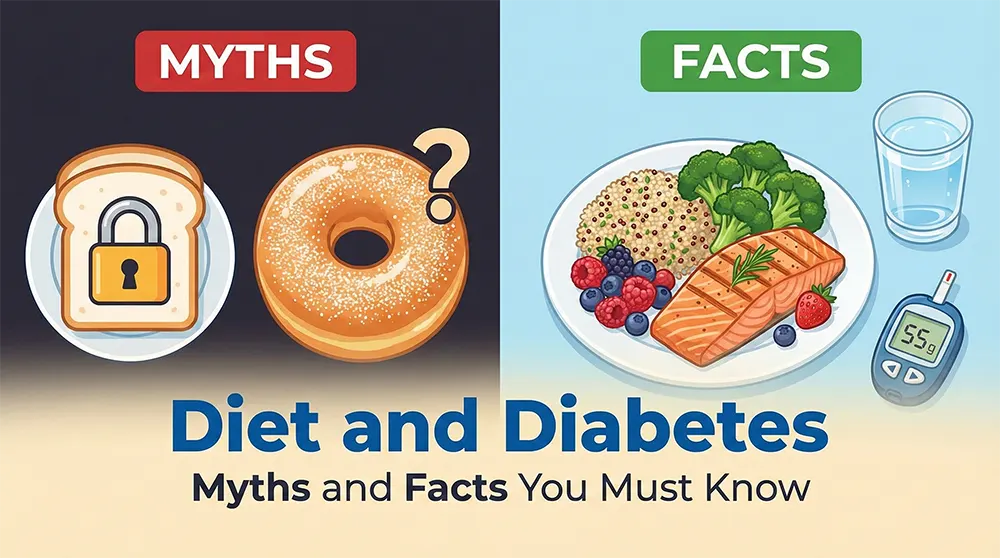

Diabetes, medically known as Diabetes Mellitus, is a metabolic disorder that affects how the body processes glucose (blood sugar). Glucose is the primary source of energy for the body and comes from the food we eat. Under normal circumstances, when food is digested, glucose enters the bloodstream and is transported into the body’s cells with the help of a hormone called insulin.
Insulin is produced by the pancreas and plays a crucial role in maintaining healthy blood sugar levels. When insulin works properly, glucose enters the cells, providing energy, and blood sugar levels remain balanced. However, diabetes develops when the pancreas does not produce enough insulin, produces no insulin, or when the body’s cells fail to respond effectively to insulin. As a result, glucose builds up in the bloodstream, leading to persistently high blood sugar levels.
Because diabetes is fundamentally a disorder of metabolism, diet and lifestyle play a central role in its development, management, and even reversal when addressed correctly.
Diet refers to the overall pattern of food intake over time. For people with diabetes, diet is not about strict deprivation or rigid rules—it is about making informed food choices that support stable blood sugar levels and overall health.
A well-planned diet, combined with the right medical guidance, helps:
Control blood glucose levels
Maintain healthy body weight
Reduce complications
Improve energy and quality of life
At Glycemia Anti Diabetic Clinic, dietary planning is approached in a personalized way. Instead of one-size-fits-all meal charts, diet plans are designed based on age, activity level, metabolism, existing health conditions, and lifestyle habits. This individualized approach ensures sustainable and realistic results.
Every individual has different nutritional requirements. Calorie needs vary depending on factors such as age, gender, physical activity, stress levels, and metabolic rate. That is why blindly following internet diet plans or food restrictions can often do more harm than good.
Unfortunately, many myths surrounding diabetes and diet continue to confuse people. Let us clear up some of the most common misconceptions.
Fact: Eating excessive sugar is unhealthy, but sugar alone does not cause diabetes. Diabetes develops when the body’s ability to process glucose is impaired due to insulin deficiency or insulin resistance. Poor lifestyle habits, obesity, stress, lack of physical activity, and genetic factors all play a role.
Fact: A diabetes-friendly diet is not complicated. The goal is to keep blood sugar levels as close to normal as possible. Minor adjustments in food choices, portion sizes, and timing can make a significant difference. With proper guidance, most people find that the changes are manageable and sustainable.
Fact: Carbohydrates are an essential part of a healthy diet for everyone—including people with diabetes. The key is quality and quantity. Complex carbohydrates that are rich in fiber, vitamins, and minerals—such as whole grains, vegetables, fruits, and legumes—are far better choices than refined carbs.
Tracking carbohydrate intake and choosing low glycemic index foods helps maintain steady blood sugar levels.
Fact: Replacing carbohydrates entirely with protein is not a healthy strategy. While protein has less immediate impact on blood sugar, excessive intake—especially from high-fat animal sources—can negatively affect heart health. A balanced approach that includes healthy proteins, good carbs, and healthy fats is essential.
Fact: Living with diabetes does not mean giving up foods you love forever. What matters is portion control and preparation methods. Baking, steaming, grilling, or shallow cooking instead of deep frying can make a big difference. Smaller portions and mindful eating allow enjoyment without compromising health.
At Glycemia Anti Diabetic Clinic, patients are guided on how to modify traditional and favorite foods rather than eliminating them completely.
Whether a person has diabetes or not, healthy eating principles remain largely the same. A balanced diet typically includes:
40–60% of calories from carbohydrates
Around 20% from protein
30% or less from healthy fats
In addition, the diet should be:
Low in refined sugar
Low in unhealthy fats
Moderate in salt
Rich in fiber, vitamins, and minerals
What truly matters is consistency and long-term adherence rather than short-term restrictions.
At Glycemia Anti Diabetic Clinic, the focus goes beyond controlling blood sugar numbers. The clinic emphasizes correcting the root causes of diabetes, including unhealthy dietary patterns, poor lifestyle habits, and metabolic imbalance. Through personalized nutrition plans, lifestyle correction, and medical guidance, patients are empowered to regain control over their health.
Diet and diabetes are closely connected, but fear and misinformation should not dictate food choices. Understanding the facts, busting myths, and following a balanced, personalized diet can transform diabetes management. Always consult qualified medical professionals before making major dietary changes, and remember—diabetes management is a journey, not a punishment.
A healthy diet is not about restriction; it is about making smarter choices that support long-term well-being.