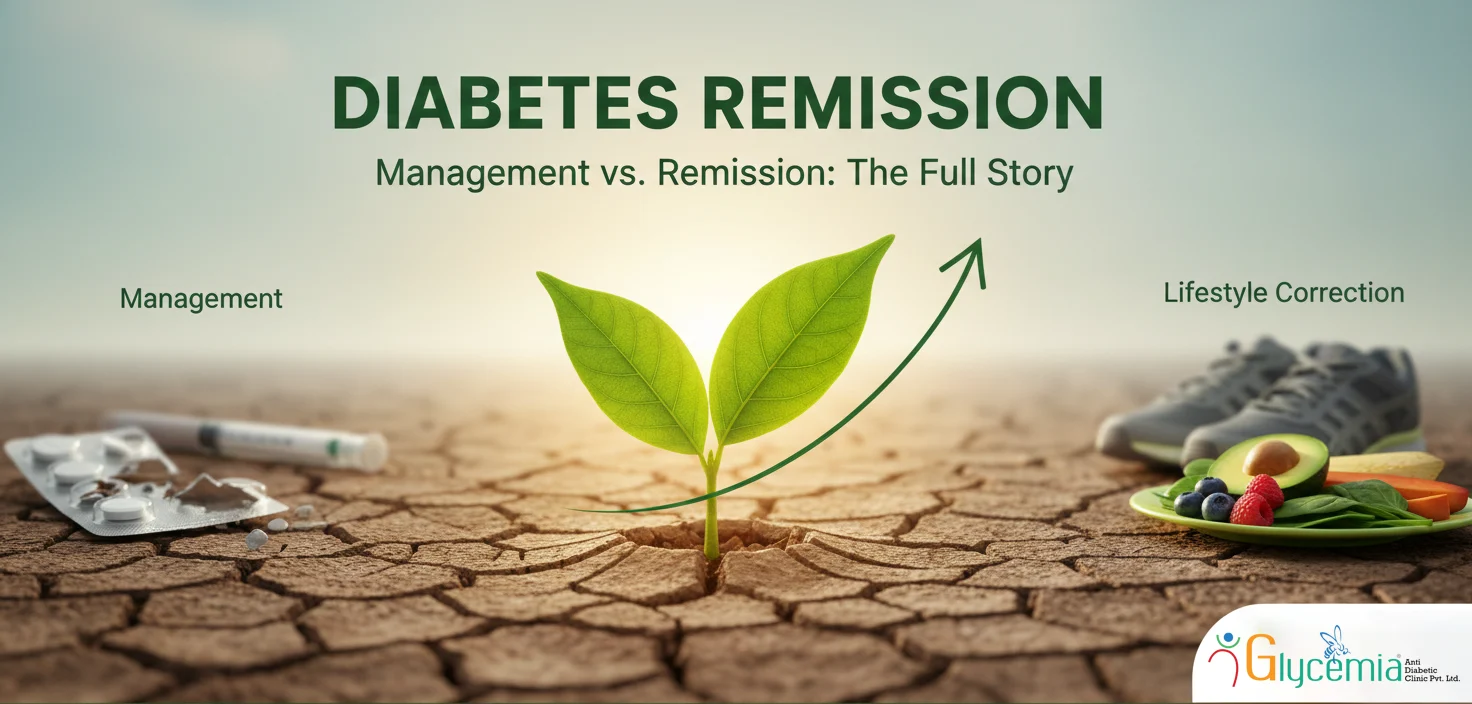

Lifestyle and Habits: The Real Foundation of Diabetes Control


Diabetes is often misunderstood as a condition that can be “managed” simply by taking tablets or insulin. While medicines play an important role, the truth is clear and unavoidable: without correcting lifestyle and daily habits, no diabetes treatment can deliver lasting results. Medications may temporarily control blood sugar levels, but they cannot compensate for unhealthy eating patterns, physical inactivity, poor sleep, chronic stress, and other harmful habits that continuously push the body toward insulin resistance and beta cell exhaustion.
Diabetes is not just a disease of blood sugar — it is a disease of lifestyle.
Type 2 diabetes develops gradually, often over many years. Long before blood sugar levels rise, the body is already struggling with insulin resistance, excess fat accumulation, inflammation, and hormonal imbalance. These changes are strongly linked to lifestyle habits.
Medicines work on top of the existing lifestyle. If habits remain unchanged:
Blood sugar control becomes unstable
Medication doses need to be increased over time
Complications develop despite treatment
The pancreas continues to lose beta cell function
This is why many people feel frustrated even after years of treatment — they are treating the numbers, not the cause.
Food is the strongest external factor influencing blood sugar.
A diet high in refined carbohydrates, sugars, ultra-processed foods, and unhealthy fats keeps glucose and insulin levels elevated throughout the day. Over time, this leads to worsening insulin resistance and faster beta cell damage.
Healthy dietary habits for diabetes include:
Choosing low glycemic index foods
Reducing refined carbs like white rice, white flour, sweets, and sugary drinks
Increasing fiber through vegetables, legumes, nuts, and seeds
Eating balanced meals with protein, healthy fats, and complex carbohydrates
Maintaining regular meal timings
Importantly, starving or extreme dieting is not the solution. The goal is sustainable, balanced eating that supports metabolic recovery.
Exercise is not optional for diabetes — it is therapeutic.
Regular physical activity:
Improves insulin sensitivity
Helps muscles absorb glucose without excess insulin
Reduces abdominal fat
Improves circulation and heart health
Lowers stress hormones
Even moderate activities such as walking, cycling, yoga, or resistance training can make a measurable difference. What matters is consistency, not intensity. A sedentary lifestyle, even with medication, keeps diabetes progressing silently.
Poor sleep directly worsens diabetes.
Inadequate or irregular sleep:
Increases insulin resistance
Raises cortisol (stress hormone)
Triggers cravings for sugary and high-carb foods
Disrupts metabolic repair processes
Many patients focus only on food and medicines while ignoring sleep quality. Sleeping late, excessive screen time, and irregular schedules silently sabotage diabetes control.
Chronic stress raises blood sugar even if diet and medicines are perfect.
Stress hormones like cortisol and adrenaline increase glucose production in the liver. Long-term emotional stress, anxiety, or mental overload can make blood sugar unpredictable and difficult to control.
Stress management is not a luxury — it is part of diabetes treatment. Breathing practices, meditation, physical movement, structured routines, and emotional support all play a role.
Excess body fat, especially around the abdomen, is closely linked to insulin resistance. Even modest weight reduction can significantly improve blood sugar levels.
However, weight loss should be healthy and guided, not aggressive or crash-based. The aim is metabolic healing, not temporary results.
Many everyday habits worsen diabetes without patients realizing it:
Skipping meals and overeating later
Excessive tea/coffee with sugar
Late-night eating
Long sitting hours
Smoking and alcohol consumption
Over-dependence on medicines without lifestyle change
These habits slowly undo the benefits of treatment.
This is a difficult truth for many patients to accept, but it must be said clearly:
If lifestyle and habits do not change, medicines only delay the problem — they do not fix it.
Over time, higher doses and multiple drugs become necessary, and complications such as nerve damage, kidney disease, eye problems, and heart disease can still develop.
True diabetes care must address how a person lives, not just what they swallow.
At Glycemia Anti Diabetic Clinic, we strongly believe that correcting lifestyle is not optional — it is the foundation of recovery.
Our approach focuses on:
Identifying wrong lifestyle patterns unique to each patient
Educating patients about food, habits, and metabolic health
Supporting sustainable dietary and activity changes
Addressing sleep, stress, and daily routines
Integrating medical treatment with lifestyle correction
Working toward beta cell recovery, not just sugar control
We do not simply prescribe medicines and send patients home. We help them understand their disease and fix the root causes that led to diabetes in the first place.
Lifestyle correction is not about perfection — it is about direction and consistency. Even small, well-guided changes can create powerful long-term results.
When lifestyle habits improve:
Insulin sensitivity increases
Blood sugar stabilizes
Medication requirements often reduce
Energy levels improve
Risk of complications decreases
Diabetes management becomes easier, not harder.
Diabetes is not a punishment — it is a signal. A signal that the body needs a different way of living.
Medicines are tools, but lifestyle is the foundation. Without correcting habits, treatment loses its meaning. With the right guidance and commitment, however, diabetes can be controlled more naturally and effectively.
At Glycemia Anti Diabetic Clinic, we are committed to helping patients fix wrong lifestyles, support metabolic healing, and move toward better long-term health — not just better numbers on a report.